By Brad Alewine Group
Starting a garden in Riverside, CA, is one of the most rewarding steps you can take with your outdoor space. The region's warm temperatures, abundant sunshine, and extended growing season give home gardeners a genuine advantage over most of the country. Whether you have a sprawling backyard or a modest patio, the conditions here make it easier than you might think to grow vegetables, herbs, fruit trees, or flowering plants from scratch.
That said, Riverside's wondrous climate also comes with specific challenges that can catch newcomers off guard. The summer heat can be intense, and the soil may need amendment before it will support healthy plants. Knowing what to expect before you break ground will save you time, money, and more than a few frustrating afternoons.
This guide covers everything a first-time gardener in Riverside needs to get started, from understanding your local climate and soil conditions to choosing the right plants and setting up your space for long-term success.
Key Takeaways
- Riverside's USDA Plant Hardiness Zone (9b) allows for year-round gardening with the right plant selection.
- Native and drought-tolerant plants are well-suited to Riverside's hot, dry summers and can significantly reduce water usage.
- Amending your soil with compost before planting is one of the most important steps any new gardener can take.
- Timing matters; cool-season crops thrive in fall and spring, while warm-season vegetables excel through the summer months.
- Starting small and building confidence with a focused plot or raised bed is the most practical approach for beginners.
Understanding Riverside's Climate Before You Plant
Riverside sits in USDA Plant Hardiness Zone 9b, which means a Mediterranean climate with mild winters featuring rare frost and long, hot summers that regularly push past 100 degrees. This is great news for gardeners who want to grow citrus, avocados, tomatoes, peppers, and other warm-weather crops. It also means that you have more flexibility with your planting calendar than gardeners in colder climates, since Riverside essentially offers a 10 to 11-month growing season.
The main challenge is heat management. During summer, the soil dries out quickly, seedlings are vulnerable to sunscald, and water demand spikes. Planning your garden’s layout with afternoon shade, using mulch generously, and selecting heat-tolerant varieties will help you get through the hottest months without losing your harvest. Early morning watering is also essential; it reduces evaporation and gives plants enough time to absorb moisture before temperatures rise.
Winters in Riverside are mild and dry, making them ideal for cool-season crops like lettuce, kale, broccoli, carrots, and herbs, such as cilantro and parsley. Many experienced Riverside gardeners consider November through March their most productive season precisely because they can grow leafy greens and brassicas without fighting summer heat. Understanding how to use both seasons strategically gives you a year-round harvest.
The main challenge is heat management. During summer, the soil dries out quickly, seedlings are vulnerable to sunscald, and water demand spikes. Planning your garden’s layout with afternoon shade, using mulch generously, and selecting heat-tolerant varieties will help you get through the hottest months without losing your harvest. Early morning watering is also essential; it reduces evaporation and gives plants enough time to absorb moisture before temperatures rise.
Winters in Riverside are mild and dry, making them ideal for cool-season crops like lettuce, kale, broccoli, carrots, and herbs, such as cilantro and parsley. Many experienced Riverside gardeners consider November through March their most productive season precisely because they can grow leafy greens and brassicas without fighting summer heat. Understanding how to use both seasons strategically gives you a year-round harvest.
Riverside Gardening Climate Basics
- The climate offers mild winters and long, warm growing seasons.
- Summer temperatures regularly exceed 95-100 degrees, making heat-tolerant plant selection essential.
- Cool-season crops like broccoli, kale, and lettuce do best when planted in October through February.
- Warm-season crops, including tomatoes, squash, and peppers, should go in the ground between March and May.
- Frost risk is minimal, though inland valleys can see occasional light frost in January.
How To Prepare Your Soil for a Garden
Soil quality is one of the most commonly overlooked factors in beginner gardening. In Riverside and much of the Inland Empire, native soil tends to be clay-heavy or sandy with low organic matter, meaning that it drains poorly, compacts easily, or lacks the nutrients plants need to thrive. Before you plant anything, taking the time to understand and improve your soil will pay off throughout the growing season.
The most effective way to improve the soil is by adding compost. Work in two to four inches of quality compost before planting, either by tilling it into existing garden beds or mixing it into the soil in raised beds. Compost improves drainage in clay soils, increases water retention in sandy soils, and introduces beneficial microorganisms that support root development. You can purchase bagged compost at any local nursery or garden center or start a backyard compost bin to create your own over time.
A soil test is also worth performing before your first planting season. Simple test kits are available at most garden centers and give you a snapshot of your pH levels and key nutrient concentrations. Most vegetables prefer a slightly acidic to neutral pH between 6.0 and 7.0. If your soil reads significantly outside that range, amendments like sulfur (to lower pH) or lime (to raise it) can bring it into balance before planting begins.
The most effective way to improve the soil is by adding compost. Work in two to four inches of quality compost before planting, either by tilling it into existing garden beds or mixing it into the soil in raised beds. Compost improves drainage in clay soils, increases water retention in sandy soils, and introduces beneficial microorganisms that support root development. You can purchase bagged compost at any local nursery or garden center or start a backyard compost bin to create your own over time.
A soil test is also worth performing before your first planting season. Simple test kits are available at most garden centers and give you a snapshot of your pH levels and key nutrient concentrations. Most vegetables prefer a slightly acidic to neutral pH between 6.0 and 7.0. If your soil reads significantly outside that range, amendments like sulfur (to lower pH) or lime (to raise it) can bring it into balance before planting begins.
Soil Prep Steps for New Riverside Gardeners
- Test your soil pH and nutrient levels before your first planting season to identify any deficiencies.
- Work two to four inches of compost into planting beds to improve both drainage and nutrient content.
- Avoid compacting soil by walking on prepared beds; use stepping stones or a defined path to move around your garden.
- Consider raised beds filled with a quality planting mix if your native soil is heavily clay-based or contaminated with construction fill.
- Mulch around plants with wood chips or straw to regulate soil temperature and reduce moisture loss during summer.
Choosing the Right Plants for Your Riverside Home Garden
One of the most rewarding parts of starting a garden in Riverside is the sheer range of plants you can grow. The climate supports everything from tropical fruit trees to Mediterranean herbs, leafy vegetables, and flowering perennials. The key is choosing plants suited to the season you are in and being realistic about the conditions in your specific yard.
For beginners, starting with vegetables is often the most motivating approach because the feedback loop is fast and tangible. Tomatoes, zucchini, cucumbers, and beans are all well-suited to Riverside's warm season and are relatively forgiving for first-time growers. Herbs like basil, rosemary, thyme, and sage thrive in the heat and can be grown in containers or directly in the ground.
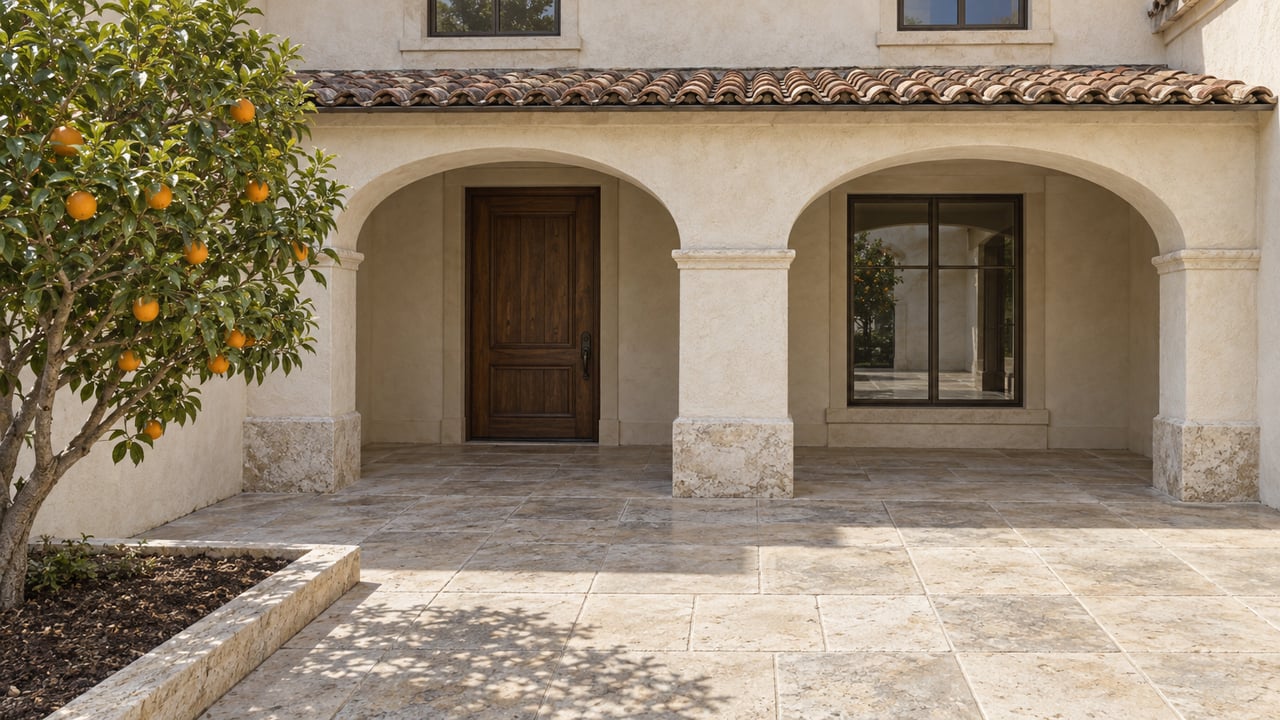
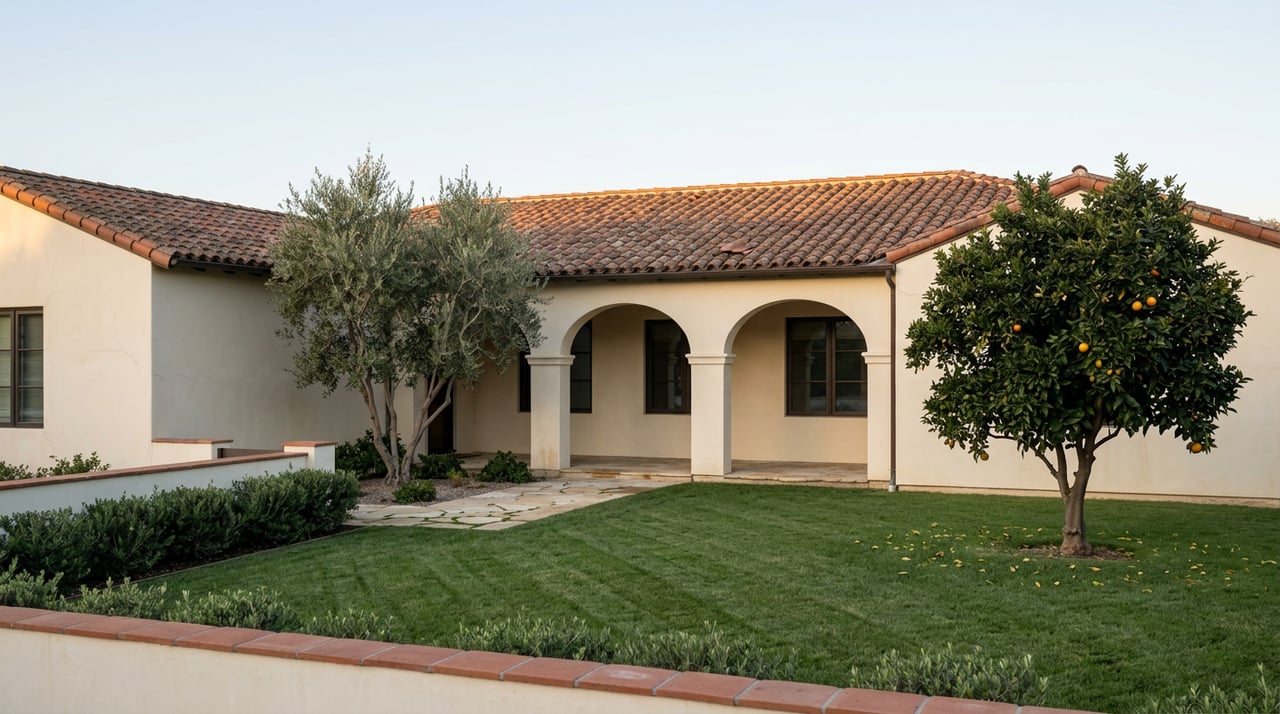
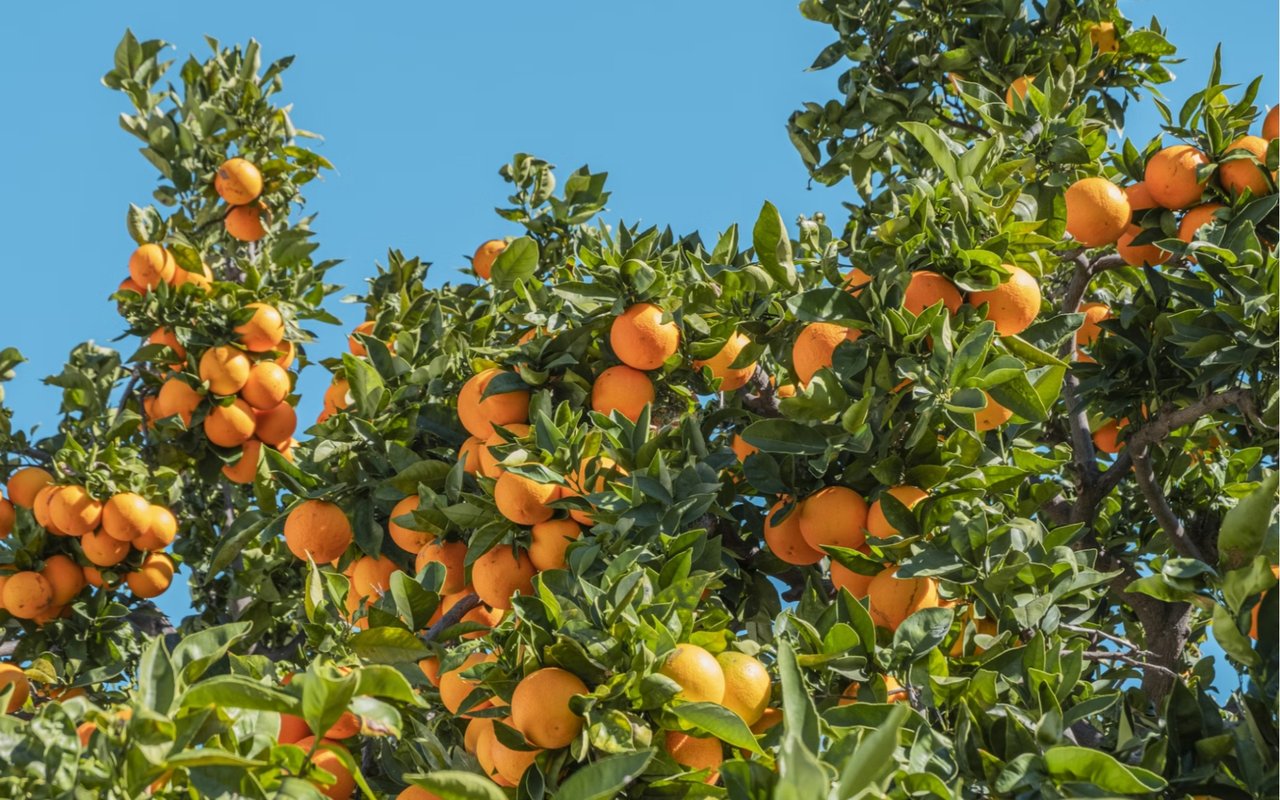
If you have more outdoor space and want to invest in permanent plantings, Riverside is geographically one of the best places in the country to grow citrus trees. Navel oranges, lemons, limes, and mandarins perform exceptionally well in the Inland Empire climate, and a mature citrus tree can provide fruit for decades with relatively low maintenance. Native and drought-tolerant landscaping plants like lavender, salvia, agave, and California poppy are also worth considering; they require far less water once established and attract pollinators that benefit your food garden.
For beginners, starting with vegetables is often the most motivating approach because the feedback loop is fast and tangible. Tomatoes, zucchini, cucumbers, and beans are all well-suited to Riverside's warm season and are relatively forgiving for first-time growers. Herbs like basil, rosemary, thyme, and sage thrive in the heat and can be grown in containers or directly in the ground.
If you have more outdoor space and want to invest in permanent plantings, Riverside is geographically one of the best places in the country to grow citrus trees. Navel oranges, lemons, limes, and mandarins perform exceptionally well in the Inland Empire climate, and a mature citrus tree can provide fruit for decades with relatively low maintenance. Native and drought-tolerant landscaping plants like lavender, salvia, agave, and California poppy are also worth considering; they require far less water once established and attract pollinators that benefit your food garden.
Starter Plants for Riverside Gardens
- Tomatoes, peppers, and eggplant are warm-season staples that thrive from March through October.
- Zucchini and summer squash are prolific producers ideal for gardeners who want fast, visible results.
- Leafy greens, including spinach, arugula, and Swiss chard, do well from October through March.
- Citrus trees, such as Eureka lemon, Navel orange, and Clementine mandarin, are excellent long-term additions to Riverside landscapes.
- Herbs like basil, parsley, thyme, and rosemary are low-maintenance options well-suited to pots or garden borders.
Setting Up Your Garden Space for Long-Term Success
The physical setup of your garden matters as much as what you plant there. Before you buy seeds or starts, spend some time observing your outdoor space throughout the day. Note where the sun hits directly and for how long, where afternoon shade falls, and where water tends to pool or drain away. Most vegetables need at least six to eight hours of direct sunlight daily, so finding the sunniest spot in your yard is the first practical decision you will make.
If your yard has poor soil, limited ground space, or significant hardscape, raised beds are worth the upfront investment. A standard 4x8-foot raised bed filled with quality planting mix gives you control over soil quality from day one, warms up more quickly in spring, and drains better than native ground soil. Two or three raised beds are enough to grow a meaningful amount of food for a household and are easier to manage while you are still learning.
Water access is another factor to think through before you start planting. Hand watering is fine for a small container garden or a single raised bed, but as your garden grows, a drip irrigation system becomes a serious time-saver and water-conserving investment.
If your yard has poor soil, limited ground space, or significant hardscape, raised beds are worth the upfront investment. A standard 4x8-foot raised bed filled with quality planting mix gives you control over soil quality from day one, warms up more quickly in spring, and drains better than native ground soil. Two or three raised beds are enough to grow a meaningful amount of food for a household and are easier to manage while you are still learning.
Water access is another factor to think through before you start planting. Hand watering is fine for a small container garden or a single raised bed, but as your garden grows, a drip irrigation system becomes a serious time-saver and water-conserving investment.
Garden Setup Considerations
- Observe sun patterns in your yard before placing beds; most vegetables require six to eight hours of direct daily sun.
- Raised beds offer a controlled growing environment and are ideal for yards with compacted or clay-heavy soil.
- Position your garden near a water source or plan for drip irrigation to make consistent watering manageable.
- Keep paths between beds at least 18 to 24 inches wide to allow comfortable access for planting, weeding, and harvesting.
- Start with a plot size you can maintain in two to three hours per week; it is easier to expand a well-managed garden than to recover a neglected one.
FAQs
How Often Do I Need To Water a Garden in Riverside?
Watering frequency depends on the season, your soil type, and what you are growing. During summer, most vegetable gardens need water every one to two days, especially when temperatures exceed 90 degrees. In the cooler months, every three to four days is often sufficient. Drip irrigation on a timer takes the guesswork out of watering and helps conserve water during the dry season. Always check soil moisture two inches below the surface before watering; if it still feels damp, hold off another day.
Do I Need To Worry About Pests in a Riverside Home Garden?
Aphids, whiteflies, squash bugs, and tomato hornworms are among the most common pests Riverside home gardeners encounter. Regular inspection of your plants, especially the undersides of leaves, helps catch infestations early before they spread. Neem oil, insecticidal soap, and introducing beneficial insects like ladybugs are effective organic options. Avoiding overwatering and maintaining healthy soil also reduces plant stress, which makes them more resistant to pest damage.
Is It Worth Installing Drip Irrigation for a Home Garden in Riverside?
For most Riverside gardeners, yes. Drip irrigation delivers water directly to the root zone, reduces evaporation, and can cut outdoor water use compared to sprinklers or hand watering. Even a simple timer-based drip setup for a couple of raised beds will save you time and keep your plants consistently watered through the hottest months.
Can I Grow Fruit Trees in My Riverside Backyard?
Riverside's climate is among the most favorable in the country for home citrus production. Lemon, orange, lime, mandarin, and grapefruit trees all perform well here and require relatively little care once established. Avocados also grow in Riverside, though they prefer slightly more moderate temperatures and consistent moisture. Plant fruit trees in well-draining soil in a spot that receives full sun, and plan to water them deeply and infrequently as they mature.
Your Riverside Garden Starts With One Good Season
The most important thing to know about starting a garden in Riverside is that the conditions here are genuinely on your side. With more sunshine, extended growing days, and a broad plant variety, your first season is less about fighting the climate and more about working with it. Start with a focused plot, choose plants suited to the season, and invest time in your soil before your first seeds go in.
If you are buying or selling a home in Riverside and want to know how outdoor space, lot size, or landscape features factor into value and livability, we are here to help you think through every detail. Reach out to us at Brad Alewine Group to start the conversation.
If you are buying or selling a home in Riverside and want to know how outdoor space, lot size, or landscape features factor into value and livability, we are here to help you think through every detail. Reach out to us at Brad Alewine Group to start the conversation.