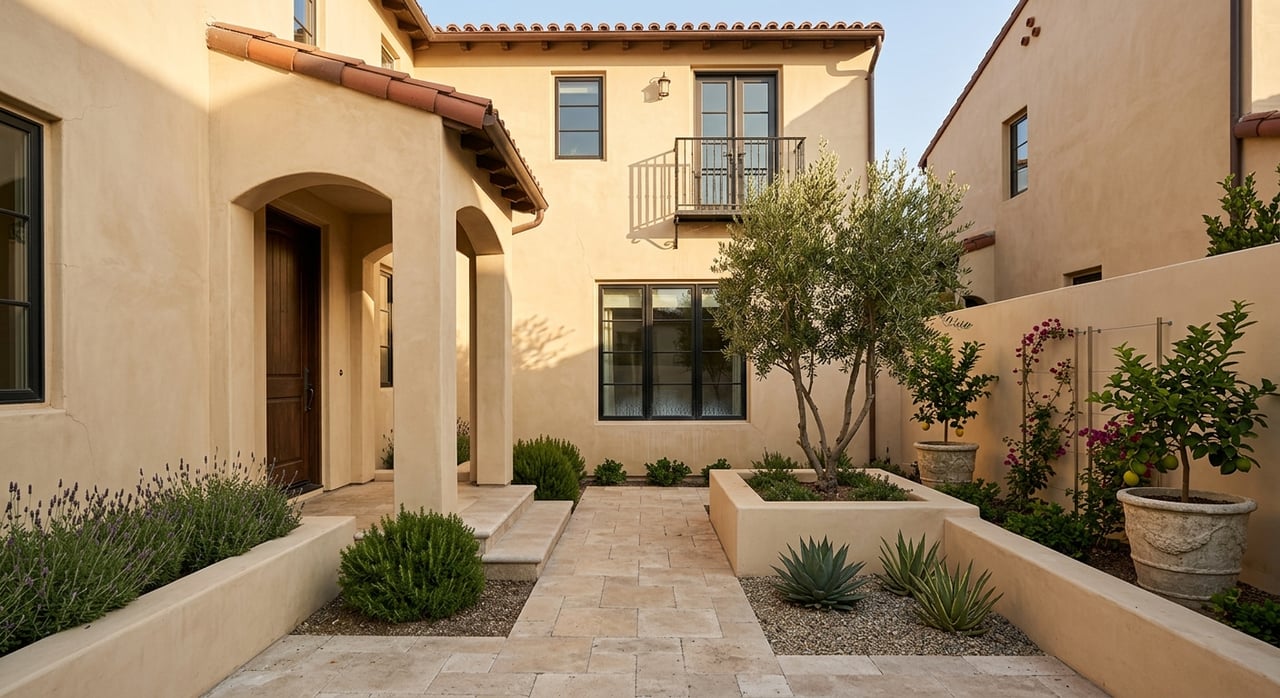
Trying to decide between a condo and an estate-style home in Canyon Crest? You are not alone. This Riverside neighborhood gives buyers a rare chance to compare attached homes and larger detached properties in the same area, which can make the choice feel both exciting and a little complicated. The good news is that once you understand how ownership, maintenance, monthly costs, and lifestyle differ, the decision becomes much clearer. Let’s dive in.
Why Canyon Crest offers both options
Canyon Crest is one of Riverside’s largest and most varied neighborhoods. The City of Riverside describes it as a place with medium-density residential areas, along with some higher- and lower-density pockets, shaped by hilly terrain that creates views.
That mix matters if you are choosing between a condo and an estate-style home. In one neighborhood, you can weigh convenience, shared maintenance, and proximity to places like Canyon Crest Town Centre against larger lots, more privacy, and stronger control over the property itself.
What “condo” and “estate” really mean
In California, the legal structure of a property matters more than the label used in marketing. A condominium is a separately owned unit that also includes an undivided share in common areas, while a planned development usually involves ownership of a separate lot, parcel, area, or space that may still include shared common area.
That is why some townhome-style properties may look similar from the outside but function differently in practice. What you own directly, what the homeowners association manages, and what rules apply can vary based on the legal setup, not just the floor plan.
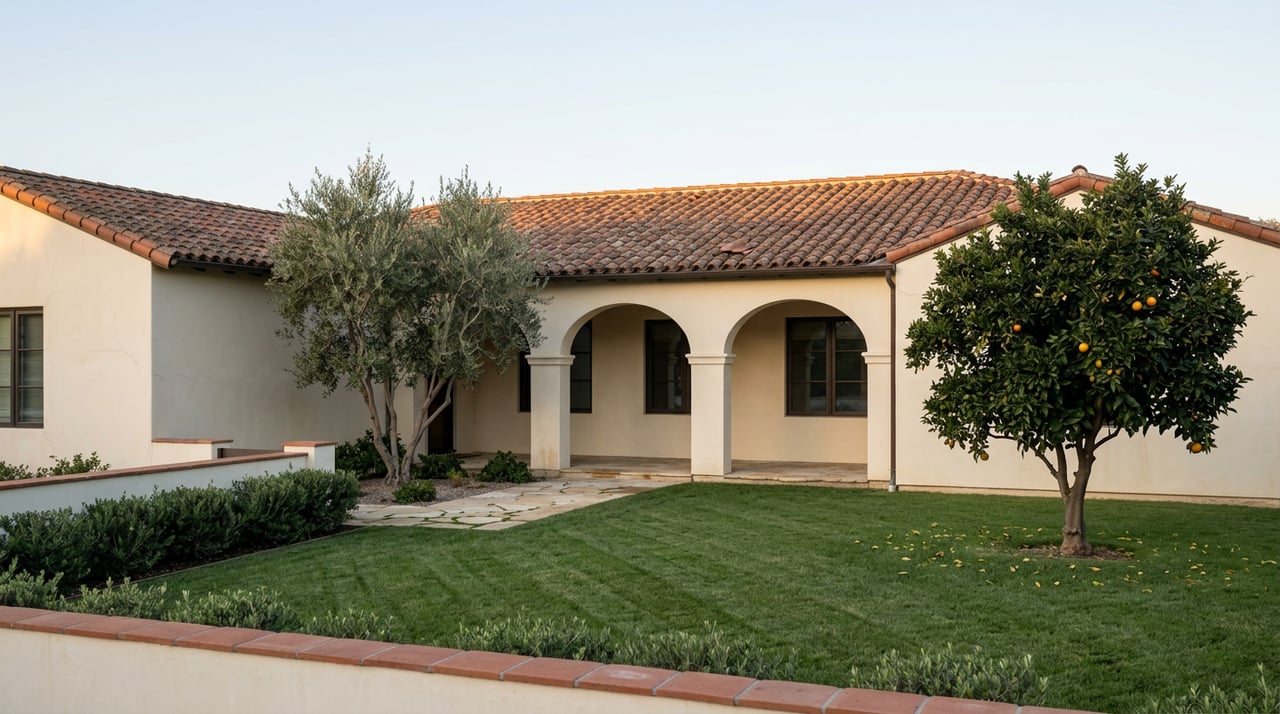
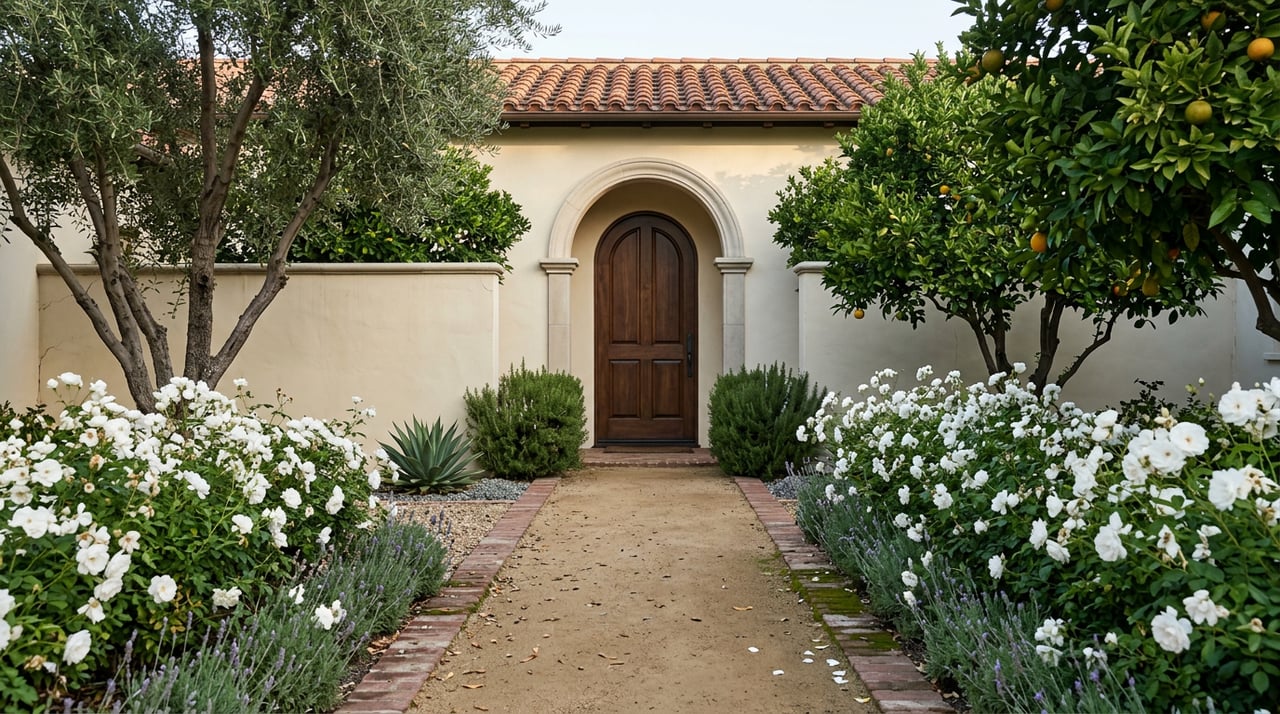
An “estate” is not a separate legal category under California law. In Canyon Crest, it is better understood as a larger detached or custom home, often with more site control, more privacy, and more owner responsibility for upkeep.
How maintenance usually differs
For many buyers, maintenance is where this decision starts to come into focus. Condos and many townhomes often appeal because exterior tasks and shared components are handled through the HOA, which can reduce day-to-day upkeep.
California law generally assigns the association responsibility for common area and the owner responsibility for the separate interest. Unless the governing documents say otherwise, the owner is also usually responsible for maintaining exclusive-use common area, while the association handles repair and replacement.
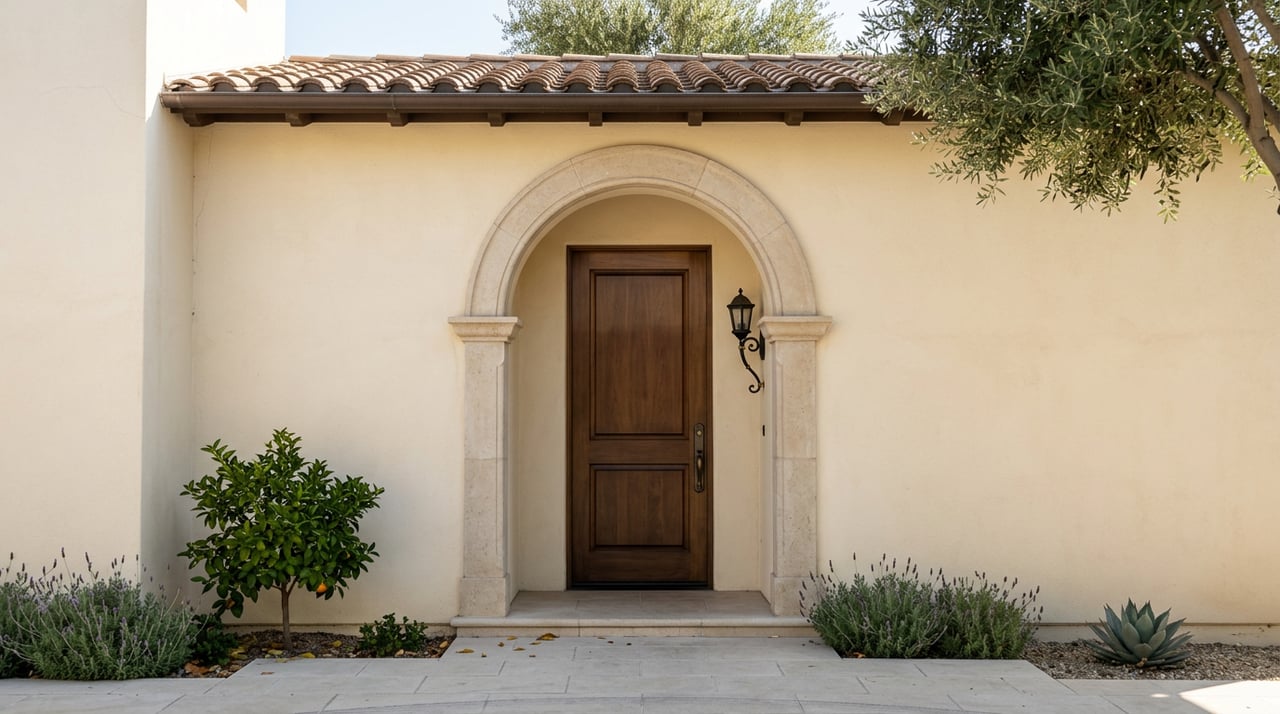
This matters because items like balconies, patios, windows, and doors may not be as simple as they seem. In some communities, those features may be treated as exclusive-use common area, so you will want to read the declaration and governing documents carefully.
With an estate-style detached home, you usually have more direct responsibility. If you value controlling your yard, exterior improvements, parking areas, and site maintenance without relying on an HOA structure, that can be a major advantage.
Monthly costs are not just about price
A condo can have a lower purchase price than a larger detached home, but list price is only part of the picture. For condos and many townhomes, HOA dues are a separate monthly obligation and are usually paid directly to the association rather than included in the mortgage payment.
Those dues can vary widely. They also matter more than many buyers expect, because if they go unpaid, the HOA can pursue collection efforts and, in serious cases, foreclosure.
At the same time, HOA dues often support shared costs like landscaping, driveways, roofs, and other common elements. That is one reason attached homes can feel more predictable from a maintenance standpoint, even if the monthly carrying cost includes more than principal, interest, taxes, and insurance.
With an estate-style home, you may not have the same kind of monthly HOA expense, or you may have a lighter HOA depending on the community. But you should expect to pay for upkeep more directly, whether that means landscaping, exterior repairs, or longer-term replacements.
HOA health deserves a close look
If you are considering a condo or townhome in Canyon Crest, the HOA is not a side issue. It is part of the asset you are buying into.
California requires buyers of a separate interest to receive important association records before transfer. These include governing documents, budget documents, assessment and fee information, any rental prohibition statement, and other records that help you understand how the association operates.
The annual budget report also includes insurance and reserve information. Reserve planning is especially important because associations are required in many cases to inspect major components at least once every three years and review the reserve study annually.
In simple terms, this tells you whether the HOA appears to be planning for future repairs and replacements. Strong reserves do not eliminate risk, but they can reduce the chance of unpleasant surprises later.
What to review before buying attached housing
If you are leaning toward a condo or townhome, these are some of the most important due diligence items to review:
- Governing documents and CC&Rs
- Current assessment information, including regular and special assessments
- Annual budget and reserve disclosures
- Insurance summary and deductible information
- Rental restrictions, if any
Each of these documents gives you a clearer picture of costs, rules, and future flexibility. This is especially important in Canyon Crest, where buyers may be comparing an attached property with a detached home just a short distance away.
Lifestyle fit in Canyon Crest
Your daily life may matter just as much as the numbers. In Canyon Crest, condos and townhomes often make sense if you want less exterior maintenance, fewer yard chores, and a more convenient lock-and-leave setup.
That can be especially appealing if you like being near neighborhood amenities such as the Town Centre, parks, and open space. For some buyers, convenience and manageable upkeep are more valuable than having a larger lot.
Detached estate-style homes usually appeal to buyers who prioritize privacy, space, parking flexibility, and customization. Canyon Crest’s hilly terrain and scenic views are part of what make larger detached homes especially attractive, since lot setting and outlook can be a meaningful part of the living experience.
Neither choice is automatically better. The right fit depends on how you want to live, what level of control you want over the property, and how much upkeep you are comfortable managing.
Which buyers often prefer each option
Different property types tend to suit different goals. These are not hard rules, but they can help you frame your own decision.
First-time buyers
A condo or townhome may be easier to manage if you want less exterior upkeep and a more straightforward day-to-day routine. Just be sure to budget for HOA dues separately and review rules, assessments, and reserve disclosures carefully.
Downsizers
If you want fewer chores and less maintenance, attached housing can be a strong fit. This can be especially helpful if you travel often or want a home that feels easier to leave for stretches of time.
Move-up buyers
A detached home often makes more sense if you care most about space, privacy, and direct control over the whole site. In Canyon Crest, that can also mean greater appreciation for lot position, views, and the character of a custom or larger residence.
Resale can differ more than buyers expect
Resale is not just about square footage or finishes. For condos and some townhome communities, the health and eligibility of the project can influence who is able to buy the property later.
Fannie Mae applies condo project standards, and depending on the project and loan, a review method may be required before delivery of many condo loans. FHA condo lending can also depend on project approval or single-unit approval rules.
That means project quality, insurance, and documentation can shape future buyer demand. California’s annual HOA disclosure package even requires a statement about whether a condominium project is FHA- or VA-approved, and the law notes that certification may improve refinancing options and expand the pool of potential buyers.
For estate-style homes, resale may depend more heavily on lot quality, privacy, views, condition, and overall property presentation. In a neighborhood like Canyon Crest, those details can strongly affect how a detached home is perceived in the market.
Insurance questions to ask
Insurance is another area where attached homes require careful review. The HOA’s annual budget report includes a summary of its property, liability, earthquake, flood, and fidelity policies.
But that does not mean the association’s coverage protects everything inside your walls. California law also notes that these policies may not cover an owner’s personal property or improvements around the dwelling, and deductibles may still affect owners.
That is why it is smart to ask what the HOA covers, what the owner is expected to insure separately, and how large deductibles could affect you. A lower-maintenance property can still come with important insurance questions.
How to make the right choice
If you are comparing condos and estates in Canyon Crest, try not to focus on list price alone. The better comparison is total monthly cost, maintenance responsibility, HOA rules, reserve strength, insurance structure, financing flexibility, and how the home fits your daily life.
A condo or townhome may be the right choice if you want convenience, shared upkeep, and a more predictable lock-and-leave lifestyle. An estate-style home may be the better fit if you want privacy, control, lot flexibility, and the kind of setting that takes full advantage of Canyon Crest’s hills and views.
The key is to match the property type to your priorities, not just your wish list. If you want help weighing the tradeoffs in Canyon Crest, the Brad Alewine Group can help you evaluate each option with local insight and a clear eye for long-term fit.
FAQs
What is the main difference between a condo and an estate in Canyon Crest?
- In practical terms, a condo usually includes shared ownership elements and HOA-managed common areas, while an estate-style home is typically a larger detached home with more direct owner control over the lot and upkeep.
Do Canyon Crest condos always have HOA dues?
- Condos and many townhomes usually have HOA dues that are paid separately from the mortgage, and those dues help fund shared maintenance, operations, and long-term repairs.
What HOA documents should you review before buying a Canyon Crest condo?
- You should review the governing documents, CC&Rs, assessment information, annual budget, reserve disclosures, insurance summary, and any rental restriction statements.
Are estate-style homes in Canyon Crest always outside an HOA?
- No. Some detached homes can still be part of an HOA-governed planned development, so you should confirm the legal structure and community rules for any property you are considering.
How do Canyon Crest views affect the condo versus estate decision?
- Canyon Crest’s hilly terrain and scenic vistas can make larger detached homes especially appealing to buyers who value lot setting, privacy, and outlook, while attached homes may appeal more to buyers focused on convenience and lower exterior maintenance.
Does financing work differently for Canyon Crest condos?
- It can. Condo financing may depend on project standards, insurance, documentation, and approval status, which can affect both your purchase options and future resale flexibility.