Buying a dream home in Riverside, CA breaks down into five steps: defining your vision, getting finances in order (including a 10 to 20% down payment and mortgage pre-approval), searching with an agent, making a competitive offer, and finalizing the purchase through inspection, appraisal, and closing.
Step | What Happens |
|---|
1. Define Your Vision | Set your must-haves: location, size, layout, style |
2. Get Finances in Order | Check credit, save a down payment (typically 10-20%), get pre-approved |
3. Begin the Search | Work with an agent, use listing alerts, tour homes in person |
4. Make an Offer | Review comparable sales, submit a competitive offer, negotiate terms |
5. Finalize the Purchase | Inspection, appraisal, final loan approval, closing day |
Know your steps. Now see what's actually on the market.
Owning your dream home is more than an aspiration. It's a life-changing experience that starts with the right approach. From visualizing the perfect property to securing your dream house, the process can be both thrilling and overwhelming. But with the right steps in place, you can transform the dream into reality.
In this guide, we'll walk you through every stage of the
home-buying journey, helping you confidently navigate the complexities of real estate in Riverside, CA. Whether you're a first-time buyer or upgrading to a home that fits your evolving lifestyle, this step-by-step guide will provide the roadmap to owning your dream home.
Define Your Vision: What Does Your Dream Home Look Like?
The first step in buying your dream house is to define exactly what that means to you. Take time to imagine the kind of home that suits your lifestyle and long-term needs. Do you envision a modern, open-concept space with sleek finishes, or a cozy, historic home in a quiet neighborhood? Knowing your preferences will help narrow your search. Start by considering location, size, layout, and style. Think about where you want to live, whether that's a bustling downtown area or a tranquil suburban neighborhood, as well as how many bedrooms and bathrooms you need. Consider whether outdoor space matters or if proximity to schools or workplaces is a factor. Features like a home office, spacious kitchen, or a swimming pool may be on your list. Once you have a clear picture of what you're looking for, you'll have a strong foundation to guide your search.
Get Your Finances in Order: How Much Can You Afford?
After defining your vision, the next step is to get your finances in order. Understanding how much you can afford is crucial in making your dream home a reality. Begin by evaluating your financial situation, including savings, monthly expenses, and credit score. Knowing your budget will help you stay focused during your home search and avoid falling in love with a property that is out of reach. Start by saving for a down payment, which typically ranges from 10 to 20% of the home's price. If you haven't already, it's a good idea to start building your savings to cover this upfront cost. Also check your credit score, since a higher score can qualify you for better mortgage terms; improving your score, if needed, can help secure a better interest rate.
Another important step is getting pre-approved for a mortgage. This not only gives you a clear understanding of how much you can borrow but also shows sellers that you're a serious buyer. A lender will review your income, debts, and credit history to determine the loan amount you qualify for, which can streamline your home search. Understanding your financial position lets you focus on homes within your budget, making the process smoother and more efficient. For a deeper look at the financing side, see our guide to
financing your first home.
Begin the Search: Let the Adventure Begin
With your finances aligned and your dream home vision in place, it's time to start the search for your new home. This is where the adventure really begins. The best way to approach this stage is by
working with an experienced real estate agent who can help you navigate the market and find properties that meet your criteria. A knowledgeable agent can guide you through the complexities of home buying and negotiate on your behalf to help you get the best possible deal, particularly valuable in competitive markets where homes may sell quickly.
In addition to working with an agent, take advantage of online real estate tools and apps. These platforms let you browse listings at your convenience, set up alerts for new properties matching your preferences, and schedule viewings. While virtual browsing helps, visiting homes in person through open houses or private showings is essential to get a true feel for the property, since seeing a home firsthand helps you assess its layout, condition, and fit. During this stage, stay flexible. Your dream home may not look exactly as you envisioned, and being open to compromise can help you recognize the potential in homes that meet most of your criteria.
Make an Offer: Timing Is Everything
Once you've found a home that meets your needs and matches your vision, it's time to make an offer. This is a critical moment in the home-buying process, and having a skilled real estate agent by your side can make a real difference. Together, you'll work to present an offer that's competitive while still within your budget. One of the first steps in crafting an offer is reviewing comparable sales in the area; your agent will help analyze recent sales of similar homes to make sure your offer reflects current market conditions.
A personalized offer letter can set you apart from other buyers in some cases, particularly in competitive markets. This letter lets you share why you love the home and how you envision your future there, creating a personal connection with the seller. Once your offer is submitted, there may be some back-and-forth negotiation on price, contingencies, or other terms. Your agent will guide you through these discussions, protecting your interests while aiming for a favorable outcome.
Finalize the Purchase: From Contract to Keys
After your offer is accepted, the journey isn't over yet. The next phase involves finalizing the purchase and making sure everything is in order before closing day. A key step is completing a home inspection, which uncovers potential issues with the property, from structural concerns to minor repairs. If significant problems turn up, you may have the opportunity to renegotiate terms or reconsider your offer.
At the same time, your mortgage lender will conduct an appraisal to confirm the home's value. Once the appraisal is completed and approved, you'll move toward the final steps of securing your loan. The last stage is closing day, where you'll sign the necessary documents, transfer funds, and officially take ownership of your dream home. With keys in hand, you'll have navigated the full process of buying your dream house.
Buy Your Dream House with Brad Alewine Group
Ready to buy your dream house? The Brad Alewine Group is here to guide you every step of the way. With deep knowledge of
Arlington Heights and Riverside's other neighborhoods, they offer personalized service to help you find the right property. Whether you're a first-time buyer or an experienced investor, the Brad Alewine Group brings years of local knowledge and real estate experience to your home-buying journey.
From navigating competitive offers to securing the best deal, the Brad Alewine Group is ready to help you reach your real estate goals. Contact them today to start your journey toward owning your dream home in Riverside, CA.
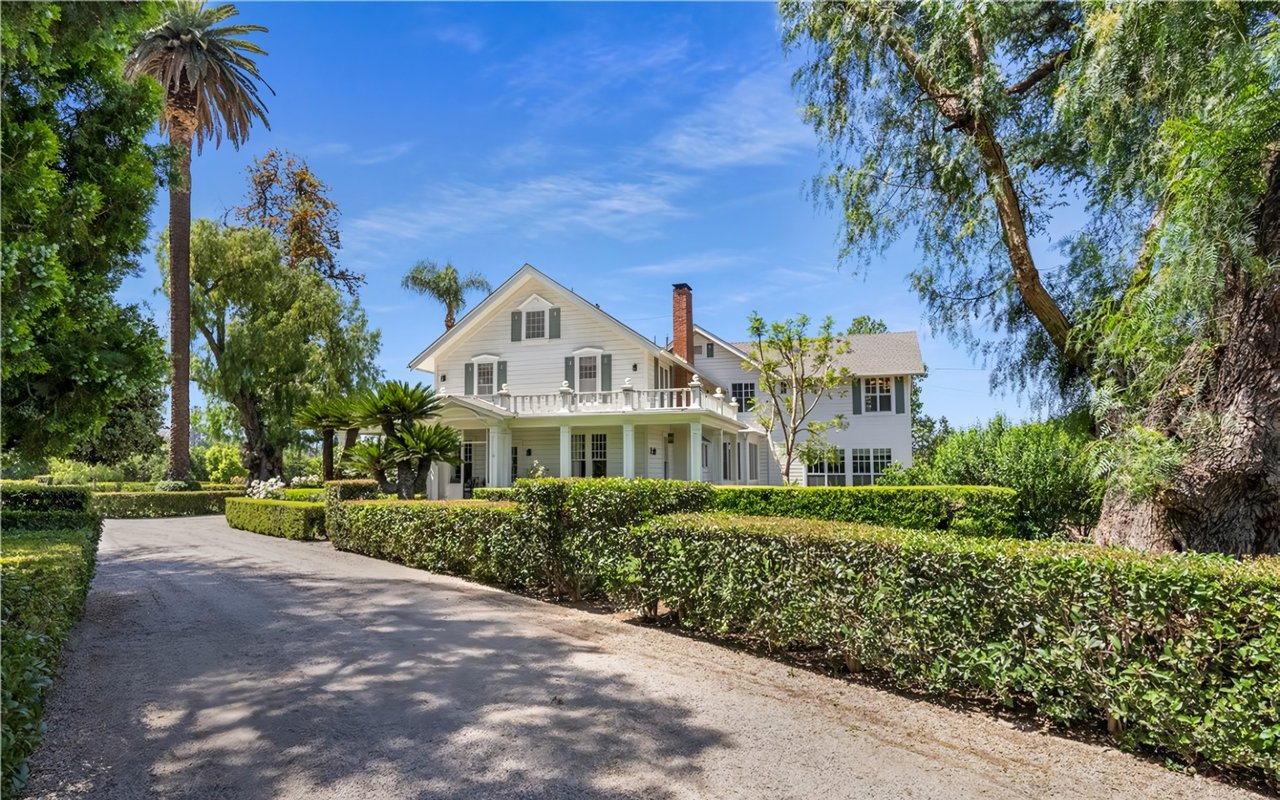
*Header image courtesy of Brad Alewine GroupFAQs
How much do I need for a down payment?
Down payments typically range from 10% to 20% of the home's purchase price, though some loan programs allow for less. The right amount for you depends on your loan type, credit profile, and how much monthly payment you're comfortable with.
What does mortgage pre-approval actually do?
Pre-approval tells you how much a lender is willing to loan you based on your income, debts, and credit history, and it shows sellers you're a serious, qualified buyer, which matters most in a competitive offer situation.
What happens between an accepted offer and closing day?
A home inspection checks for structural or repair issues, a lender-ordered appraisal confirms the home's value, and once both are cleared, you move to closing day to sign documents, transfer funds, and get the keys.