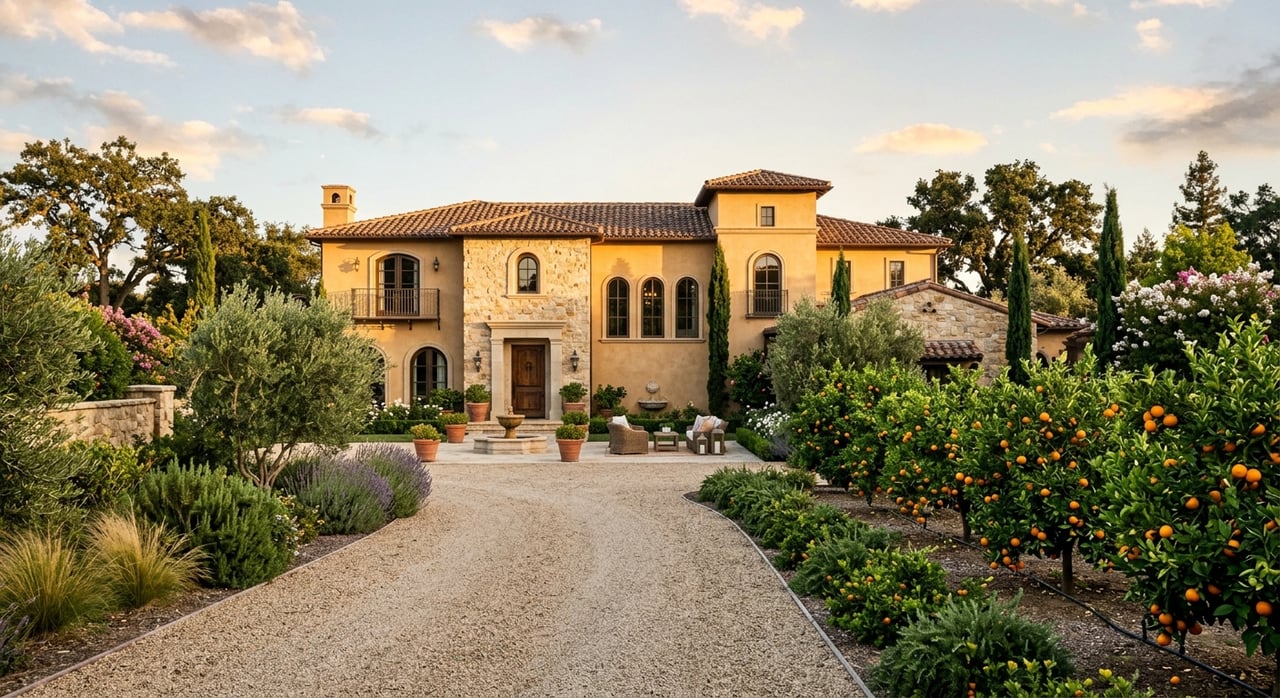
Thinking about buying an acreage home in Arlington Heights? It can be an exciting move, but it is very different from buying a typical house on a suburban lot. In this part of Riverside, you are often buying land, water access, landscape responsibilities, and local context along with the home itself. If you want to understand what really matters before you make an offer, this guide will help you focus on the details that shape value, upkeep, and long-term fit. Let’s dive in.
Why Arlington Heights Stands Apart
Arlington Heights has a different identity than many Riverside neighborhoods. According to the City of Riverside, it is the largest neighborhood in the city, with settlement dating back to 1875, and it was part of the original city limits in 1883. The area has long been tied to citrus growing, and agricultural uses still rely on Gage Canal water today.
That history still affects how property works here. The City also notes that Proposition R and Measure C protected about 4,600 acres that were primarily in citrus production, helping preserve the greenbelt pattern. For you as a buyer, that means the setting is not just scenic background. It is part of the value and part of the ownership experience.
Victoria Avenue adds another layer of local identity. It is a major Riverside landmark and is listed in the National Register of Historic Places. If a property is near this corridor, site planning and future changes may involve more review than you would expect on a standard residential lot.
Acreage Homes Mean More Than House Size
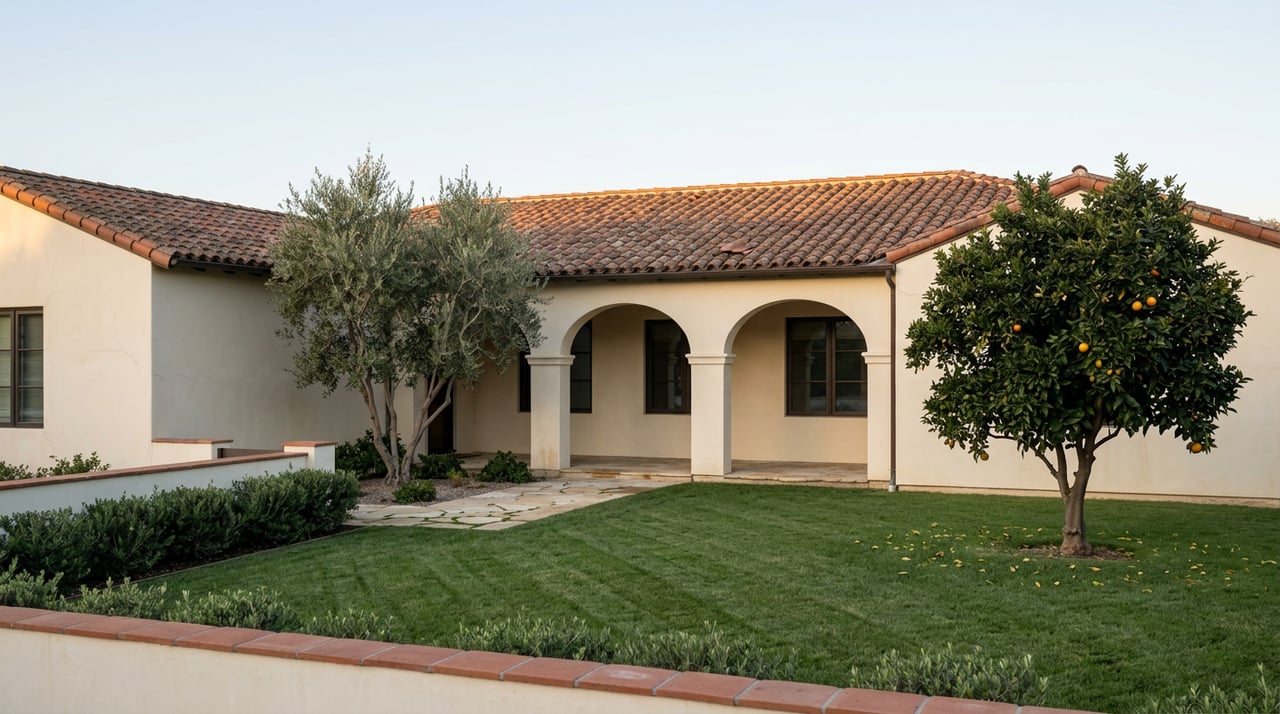
In Arlington Heights, larger parcels often follow a very low density pattern. The City’s General Plan describes development here as very-low-density residential, with no more than one dwelling unit per five acres in many areas. These properties are sometimes thought of as small estate sites or so-called gentleman farms.
That distinction matters because the value equation is different. On some parcels, the land itself may be just as important as the home, or more important. Water access, zoning, usable acreage, frontage, and agricultural potential can all shape pricing in ways that standard neighborhood comparables may not fully capture.
Current public listing data reinforces that point. In the neighborhood’s land market, there were only three listed land properties, with a median listing price of $1.66 million. Examples included parcels over 12 acres, including one on Victoria Avenue with Gage Canal water shares and another with RA-5 zoning on Washington Street.
Water Access Can Be a Major Value Driver
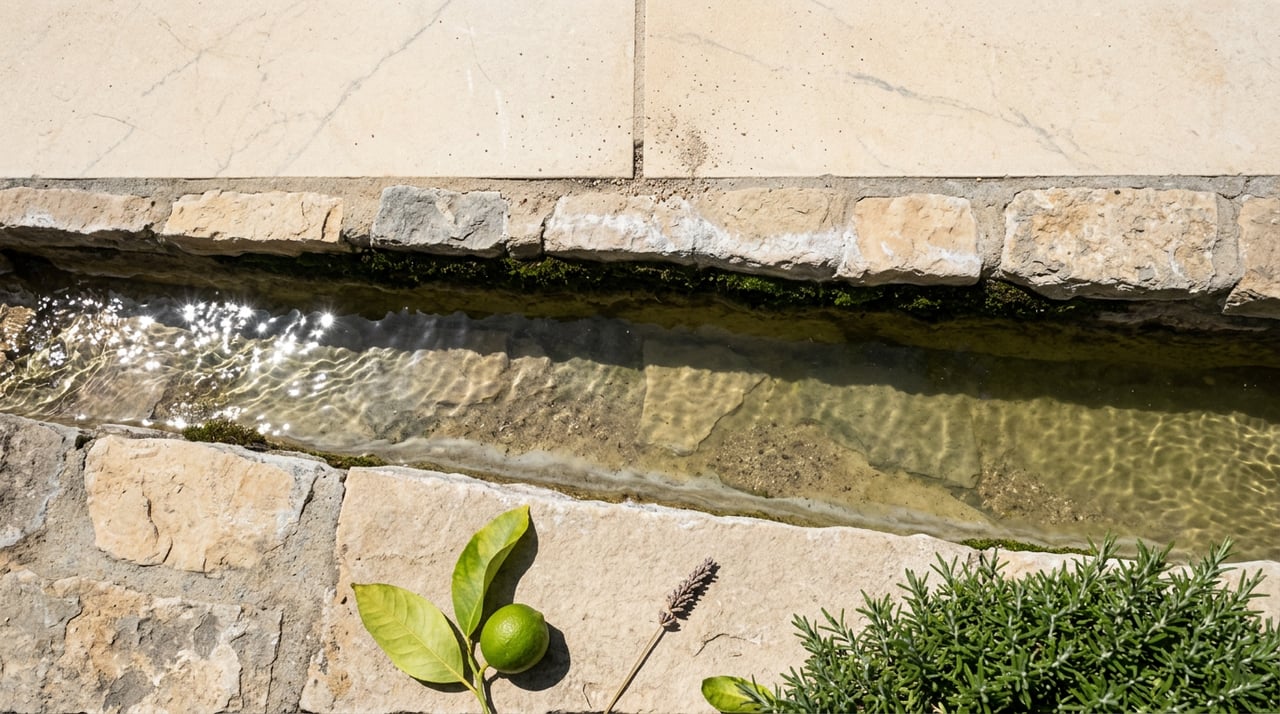
One of the most important questions to ask about an Arlington Heights acreage property is how water service works. Riverside Public Utilities treats Greenbelt properties differently from standard residential service and offers canal-based irrigation and agricultural water programs for qualifying parcels. That can have a major effect on both operating costs and how the land can be used.
Not every large lot will offer the same setup. Some parcels may have canal irrigation access, some may include Gage Canal shares, and others may only qualify for certain agricultural water service options. Before you buy, you will want clarity on exactly what the property has today and what that means for future use.
This is especially important if you are drawn to citrus, landscaping, or keeping part of the site in agricultural use. In Arlington Heights, water is not just a utility question. It is often a core property feature.
Victoria Avenue Rules Can Affect Plans
If the parcel fronts Victoria Avenue, your due diligence should go beyond the house. The City’s Victoria Avenue Policy calls for an ultimate right-of-way width of at least 180 feet for new development. It also requires utility screening or undergrounding near the corridor and places driveway design and location under Historic Preservation Officer review.
In practical terms, those rules can affect how you approach gates, fences, entries, driveways, and future site improvements. A property may look spacious and flexible at first glance, but frontage policies can shape what is simple, what needs review, and what may cost more than expected.
That does not make these homes less appealing. It simply means you should evaluate them with a wider lens. In Arlington Heights, curb appeal often includes policy context as well as architecture and landscaping.
Upkeep Is a Bigger Commitment
Acreage ownership usually comes with more maintenance, and Arlington Heights is no exception. Mature trees, larger irrigation systems, grove care, and open-land management can all require regular attention. If you are moving from a smaller lot, this can be one of the biggest adjustments.
Riverside Public Utilities notes that Greenbelt customers may qualify for canal irrigation service or agricultural water rates, and Metropolitan Water District offers rebates for irrigation system and landscaping improvements. At the same time, the Victoria Avenue Policy specifically references funding tree irrigation maintenance and tree trimming. That is a good reminder that established landscaping is an asset, but also a responsibility.
You should think carefully about how much ongoing work fits your lifestyle. Some buyers love the privacy, room, and agricultural setting. Others find that the time, cost, and coordination involved are much greater than they expected.
Fire Safety Should Be Part of Your Budget
For larger parcels, especially those near brushy areas, wildfire preparedness is not optional. CAL FIRE states that 100 feet of defensible space is required by law. The Riverside Fire Department also offers defensible-space inspections for properties in designated high and very high fire hazard severity zones.
For you, that means vegetation management should be part of your ownership planning from day one. Pruning, clearing, and maintaining safer space around structures can become recurring line items. On acreage, you should expect fire safety to function like regular property maintenance, not a one-time project.
Historic Status Can Change the Decision
Some Arlington Heights properties may have historic or preservation-related considerations. The City says a Certificate of Appropriateness is required for rehabilitation, alteration, demolition, relocation, or changes to designated or eligible cultural resources and to contributing or non-contributing structures within historic districts or neighborhood conservation areas.
If you are considering updates, additions, or exterior changes, that review process matters. It can affect timeline, design choices, and approval steps. At the same time, the City notes that the Mills Act may offer property tax relief for owners of qualified historic properties who actively participate in restoration and maintenance.
For the right buyer, that can be a meaningful advantage. Still, it is best to understand the rules early so you can weigh charm, responsibility, and long-term plans together.
Market Signals Require a Local Lens
Citywide market numbers can help set context, but Arlington Heights often behaves like a niche submarket. Zillow reported Riverside’s average home value at $648,360 as of June 30, 2026, down 0.5% from the prior year, with homes going pending in about 18 days and a median sale price of $650,000. Redfin’s city snapshot showed a similar median sale price of $640,000 over the last three months, essentially flat year over year.
At the county level, the longer trend has still been positive. The FHFA house price index for Riverside County rose from 278.79 in 2021 to 366.88 in 2025, which is about 31.6% growth over that period. The increase from 2024 to 2025 was about 1.3%, suggesting stronger multi-year appreciation followed by more modest recent gains.
Arlington Heights itself moves to a different rhythm. The neighborhood snapshot showed only three land listings, three sales in the past month, a typical 54 days on market, and a Walk Score of 17. That low inventory and car-dependent setting reinforce why parcel-specific details can matter more here than broad averages.
What Buyers Should Evaluate First
When you tour acreage homes in Arlington Heights, it helps to stay focused on a few property-specific questions:
- Does the parcel have canal irrigation access, Gage Canal shares, or only eligibility for agricultural water service?
- Are there Victoria Avenue frontage rules that could affect driveways, fencing, utilities, or future site work?
- How much maintenance will be needed for irrigation, grove care, mature trees, trimming, and defensible space?
- Is most of the property’s value in the land, water, and setting, or in the house itself?
- If the property has historic significance, will planned updates require City review?
These questions can save you time and help you compare properties more accurately. Two homes with similar square footage may offer very different ownership experiences if the parcels function differently.
Why Local Guidance Matters Here
Acreage homes in Arlington Heights ask you to think beyond floor plans and finishes. You are often weighing land use, water setup, frontage rules, preservation context, and long-term maintenance in one decision. That is exactly why this part of Riverside rewards careful, local analysis.
For buyers who want privacy, character, and room to grow, Arlington Heights can offer a rare opportunity. The key is understanding what makes each parcel work and how those details affect both daily ownership and future resale. If you want help evaluating acreage opportunities in Arlington Heights or anywhere in Riverside, connect with the Brad Alewine Group.
FAQs
What makes Arlington Heights acreage homes different from other Riverside properties?
- Arlington Heights properties often combine residential use with larger parcels, agricultural context, irrigation considerations, and site-specific rules that are less common in standard subdivision neighborhoods.
What should buyers ask about water at an Arlington Heights acreage home?
- You should ask whether the parcel has canal irrigation access, Gage Canal shares, or eligibility for agricultural water service, since water setup can affect both property use and operating costs.
Do Victoria Avenue properties in Arlington Heights have special rules?
- Yes. Properties along Victoria Avenue may face added requirements related to right-of-way width, utility screening or undergrounding, and driveway review by the Historic Preservation Officer.
How much maintenance should buyers expect on an Arlington Heights acreage parcel?
- Maintenance can include irrigation management, tree trimming, grove care, landscaping upkeep, and defensible-space work, which is usually more involved than caring for a typical suburban lot.
Can historic rules affect changes to an Arlington Heights property?
- Yes. If a property is designated, eligible, or located in an applicable historic district or neighborhood conservation area, certain changes may require a Certificate of Appropriateness from the City.
Are Arlington Heights acreage values driven more by the house or the land?
- In many cases, value is strongly influenced by land size, water access, zoning, location, and parcel usability, not just the house itself.