Are you drawn to the charm of a historic home in Downtown Riverside but worried about what comes with the character? That tension is real. Older homes can offer remarkable architecture and a strong sense of place, but they also come with rules, research, and condition questions that newer homes usually do not. If you are thinking about buying in this part of Riverside, this guide will help you understand what to check, what to ask, and how to move forward with more confidence. Let’s dive in.
Why Downtown Riverside feels different
Downtown Riverside is not just another older neighborhood with a few vintage homes mixed in. It is one of the city’s most historically concentrated areas, with a large number of landmarks, historic districts, and recognized historic sites. That means your home search may involve more than style and price.
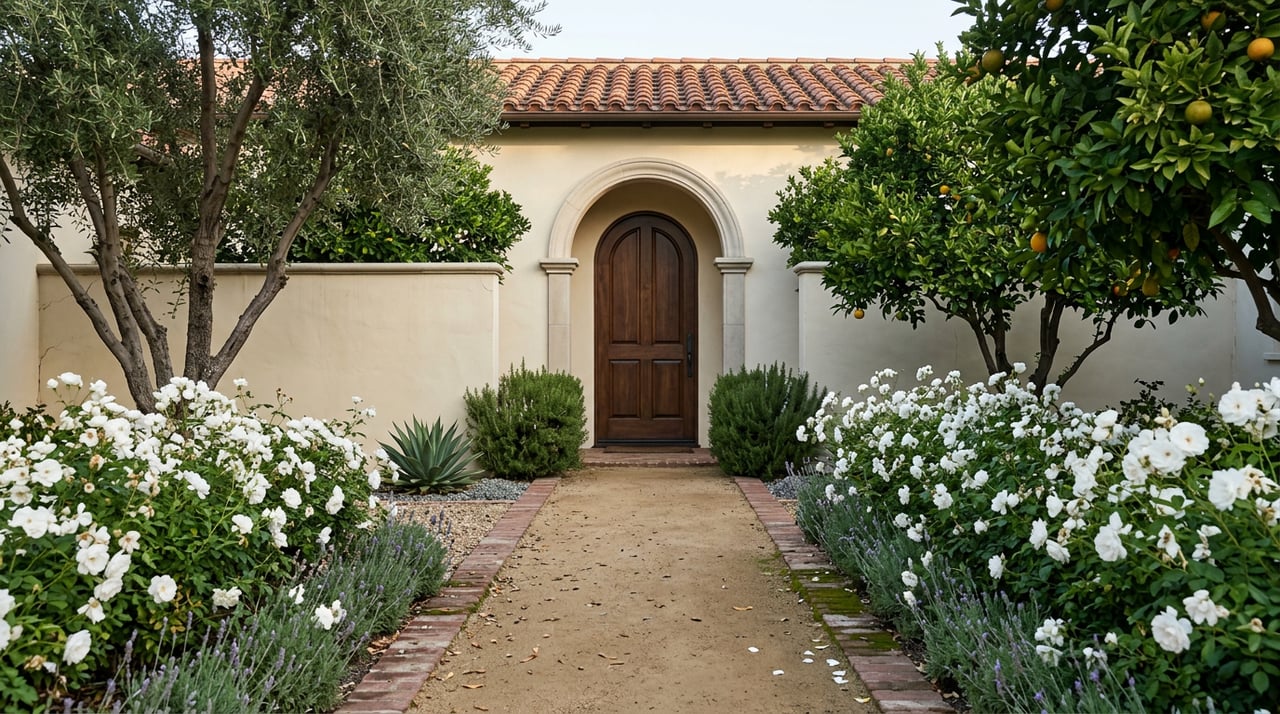
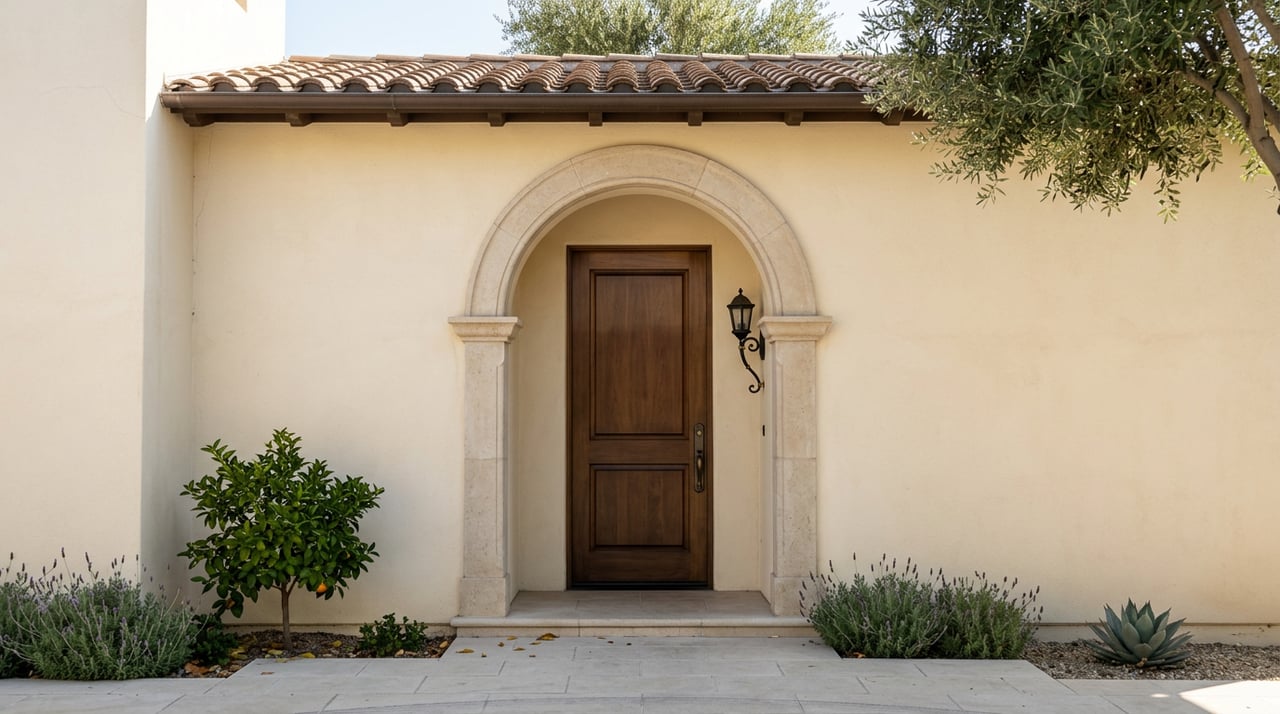
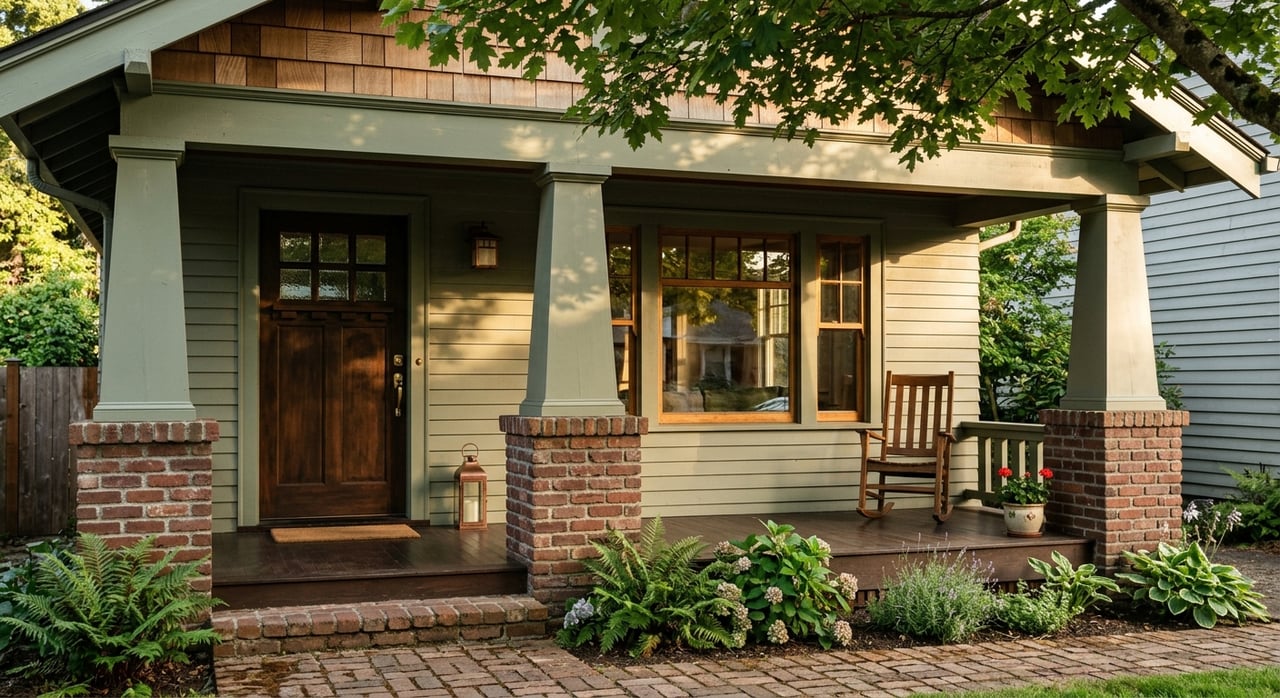
You may be comparing Spanish Colonial Revival, Mission Revival, California Bungalow, Beaux Arts, and more modern architecture, often within a few blocks of each other. In this market, the appeal of a home’s design can be closely tied to preservation rules that affect what you can change later. That is why buying here starts with research, not just a showing.
Start with historic status
Before you fall in love with original windows, a covered porch, or period details, confirm whether the property is actually historic. In Riverside, not every older-looking home is designated, and not every home near a landmark has protected status. Assumptions can create expensive surprises.
The City of Riverside’s Historic Resources Inventory Viewer is the best first stop. It can help you confirm whether a property is a City Landmark, Structure of Merit, Historic District contributor, or Neighborhood Conservation Area contributor. If the home is more than 50 years old and has not been reviewed, the city recommends contacting the Planning Division to confirm status.
That step matters because age alone does not determine whether a property is historic. Riverside notes that while about 50 years old is a common threshold, designation depends on whether the property meets specific criteria under local, state, or national standards.
Research the home’s background
Once you verify status, look deeper into the property’s history. In Downtown Riverside, a home’s past can affect both its value and your future plans for it. A polished remodel does not always tell you what has changed over time, what was preserved, or what may need approval later.
Riverside Public Library offers access to local maps, Sanborn maps, historical maps, and local archives. County archives may also help with ownership and valuation records. Together, these sources can give you a clearer picture of the home before you commit.
For buyers who care about architecture, this part of the process can also be rewarding. You are not just buying square footage. You are often buying a property with a story, and understanding that story can help you make better decisions.
Understand Riverside preservation rules
If a property is designated or eligible for designation, Riverside may require a Certificate of Appropriateness for work that many buyers would assume is routine. That can include rehabilitation, alteration, demolition, relocation, and exterior changes, even when a building permit is not required.
This review is not limited to individually significant homes. Riverside also applies preservation review to contributing and non-contributing structures within a Historic District or Neighborhood Conservation Area. In simple terms, your house may be subject to review because of where it sits, not just because of what it is.
That is why future plans should be part of your buying decision. If you already know you want to replace windows, build an addition, change exterior materials, or substantially alter the facade, you need to understand the review process before removing contingencies.
Exterior changes often face the most scrutiny
Riverside’s residential historic district guidelines emphasize repair and compatibility. Historic windows and doors should be repaired whenever possible, and when replacement is necessary, the new materials and design should match the original in style, size, shape, and profile.
The city’s guidelines specifically state that vinyl windows and aluminum sliding windows are not acceptable replacements in historic districts unless they already exist in a non-historic residence. That is an important detail for buyers budgeting future improvements, because replacement choices may be narrower and more costly than in a standard resale home.
For additions, the city generally prefers work that is placed toward the rear, kept subordinate in scale, and designed to stay compatible with the original structure. If your goal is to modernize, the key is usually sensitive change, not a blank-slate redesign.
Know how code compliance may differ
Historic homes do not get a pass on safety, energy, or accessibility issues, but the path to compliance may look different. California’s State Historical Building Code provides alternative building regulations for qualified historic buildings and structures.
That can be helpful when repairs, alterations, additions, or continued use need to balance safety with preservation. For buyers, the practical takeaway is simple: code issues should be identified early, because solutions may involve both building requirements and historic considerations.
This is another reason a historic purchase benefits from a careful, layered due diligence process. You want to understand not only what needs work, but also how that work may need to be handled.
Expect older-home condition issues
Historic charm does not cancel out the realities of age. In Downtown Riverside, many homes may have aging systems, older materials, and signs of deferred maintenance. You should expect a closer look at condition than you might need in a newer property.
Lead-based paint is one major example. According to the EPA, 87% of homes built before 1940 and 24% of homes built from 1960 to 1978 contain some lead-based paint. Federal law also gives buyers of most pre-1978 housing the right to know about known lead-based paint hazards before signing and a 10-day period to conduct a lead inspection or risk assessment.
Wood-destroying organisms are another major issue in California. The Structural Pest Control Board notes that most lending institutions require a wood-destroying organism inspection before financing a home loan. In an older home, that inspection can shape repair negotiations, loan timing, and closing expectations.
You should also pay close attention to electrical, plumbing, and structural integrity. The California Department of Real Estate advises buyers to inspect those items and to consider professional evaluation of HVAC, roof, foundation, septic system, solar system, and termite or pest conditions when relevant.
Historic windows need a different mindset
Windows are often where buyers feel the tension between efficiency and preservation. In many historic homes, the first instinct is to replace older windows. But both Riverside’s guidelines and preservation guidance favor repair first when possible.
In some cases, energy performance can be improved through weatherstripping, glazing work, sash repair, or storm windows without removing the original units. That approach may preserve character while still improving comfort, which is worth knowing before you assume full replacement is the only answer.
Build a smart inspection strategy
If you are buying a historic home in Downtown Riverside, inspections should be organized with purpose. A general home inspection is only the starting point. Historic properties usually call for a broader inspection stack so you can evaluate both present condition and future obligations.
A practical approach may include:
- General home inspection
- Wood-destroying organism or pest inspection
- Lead-related review for pre-1978 homes
- Specialty inspections for roof, electrical, plumbing, HVAC, foundation, drainage, or prior alterations as needed
The California Department of Real Estate also recommends including the home inspection in your offer contingencies so repairs can be negotiated if needed. In a historic purchase, that advice is especially important because findings may affect not only cost, but also what kind of work is feasible under local preservation rules.
Use contingencies to buy time for real answers
In this part of Riverside, due diligence should begin early in the contingency period. Historic status, city records, prior permits, inspection results, and possible preservation review should all be part of your decision-making before contingencies are removed.
This is where local guidance matters. You want enough time to verify whether the home is designated, whether past work appears consistent with city standards, and whether your own future plans are realistic. The right questions up front can save you from regret later.
For many buyers, this is also where the transaction becomes less about cosmetics and more about fit. A beautiful house may still be the wrong choice if the maintenance needs, approval process, or renovation limits do not match your goals.
Consider Mills Act carefully
Some historic properties in Riverside may qualify for the Mills Act, which can offer a property tax benefit. But this is not a simple discount with no strings attached. Riverside requires that designation already be in place before a Mills Act contract can be approved.
If a property already has a Mills Act contract, it transfers with the title when the home is sold. The city also states that owners must maintain annual records and reports, and staff conduct a street-side inspection every five years, with interior inspection as needed.
Some exterior work under a Mills Act contract may still require Certificate of Appropriateness review. If the property you are considering has this benefit, request the contract, annual report history, tax worksheets, and prior Certificates of Appropriateness before removing contingencies.
Buying with confidence in Downtown Riverside
Buying a historic home in Downtown Riverside can be deeply rewarding if you value architecture, context, and homes with lasting character. But the smartest buyers do not stop at curb appeal. They verify status, research the property, inspect thoroughly, and think ahead about ownership responsibilities.
That approach does more than protect you during escrow. It helps you buy a home that fits both your taste and your long-term plans. In a market where character and constraints often come together, clear local guidance can make all the difference.
If you are considering a historic home in Downtown Riverside and want a thoughtful, locally grounded perspective on the property, neighborhood, and due diligence process, connect with the Brad Alewine Group.
FAQs
How can you tell if a Downtown Riverside home is officially historic?
- Check the City of Riverside Historic Resources Inventory Viewer and confirm whether the property is a City Landmark, Structure of Merit, Historic District contributor, or Neighborhood Conservation Area contributor.
Do exterior projects on a Downtown Riverside historic home need city approval?
- If the property is designated or eligible for designation, Riverside may require a Certificate of Appropriateness for exterior alterations, repairs, additions, relocation, demolition, and other changes, even if a building permit is not otherwise required.
What inspections matter most when buying a historic home in Downtown Riverside?
- A strong inspection plan often includes a general home inspection, wood-destroying organism inspection, lead-related review for pre-1978 homes, and specialty inspections for systems such as roof, electrical, plumbing, HVAC, foundation, drainage, or prior alterations.
Can you replace old windows in a Downtown Riverside historic district home?
- Riverside’s guidelines emphasize repairing historic windows whenever possible, and when replacement is necessary, the new windows should closely match the original design, materials, and profile.
Does a Mills Act contract transfer when you buy a historic home in Riverside?
- Yes. Riverside states that Mills Act contracts transfer with title, and the new owner takes on the related reporting, inspection, and maintenance obligations.