By the Brad Alewine Group
When you walk into a room that feels immediately warm and inviting, chances are, the lighting is doing a lot of the heavy lifting. It is one of those elements that most people don't think about until something is off: a harsh overhead fixture that flattens the room, a dim corner that makes the space feel cramped, or a beautiful architectural detail that never gets noticed because it sits in shadow.
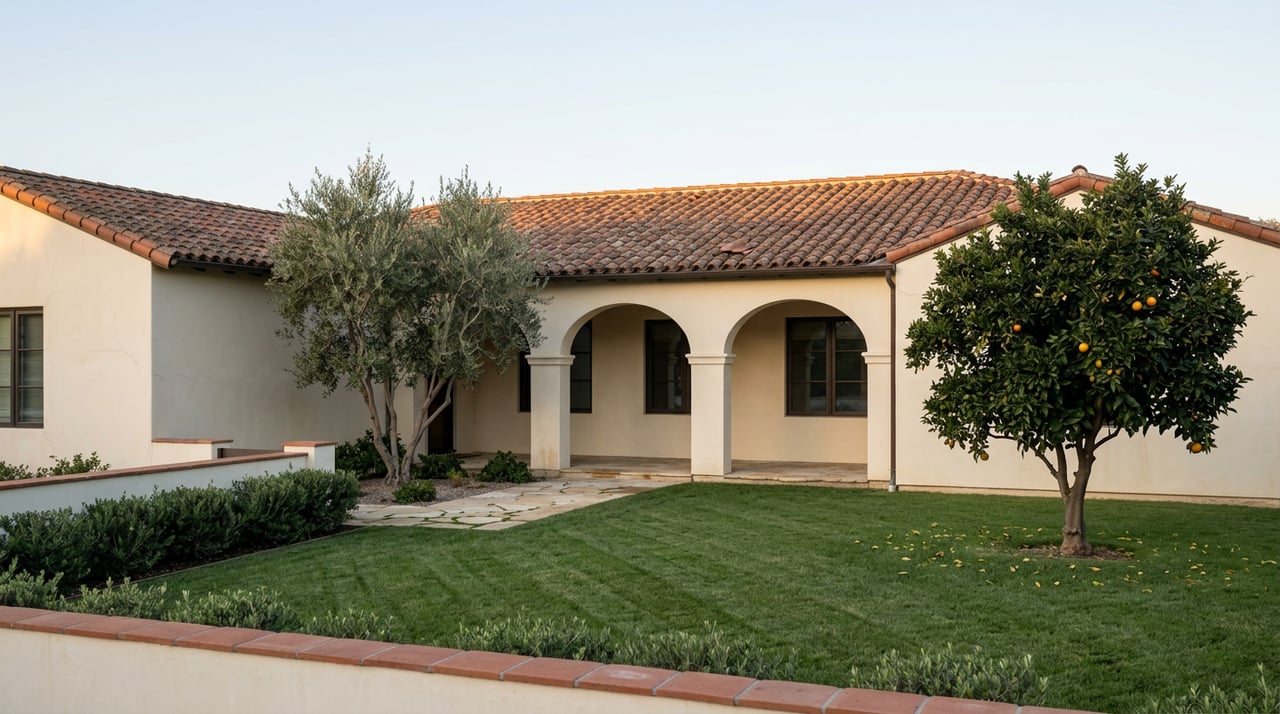
In Riverside, CA, where Spanish Colonial Revival architecture, Craftsman bungalows, and modern new builds share the same streets, thoughtful lighting design can mean the difference between a home that photographs well and one that actually feels wonderful to live in every day.
The good news is that transforming your home with lighting doesn't require a full-scale renovation. Understanding a few core principles, knowing which fixtures work for which spaces, and layering your light sources strategically can completely change how a room reads. Whether you are preparing your home to sell in Riverside's competitive market or simply want your living space to feel as great as it looks, this guide walks you through everything you need to know.
Lighting also carries real weight in home value conversations. Buyers touring homes notice immediately when a home feels bright, open, and well-considered. Sellers who invest in lighting upgrades before listing often see faster offers and stronger interest, because the home photographs better and feels more livable at showings.
Key Takeaways
- Layering ambient, task, and accent lighting gives any room depth and flexibility.
- Warm-toned bulbs in the 2700K to 3000K range tend to feel most inviting in living spaces and bedrooms.
- Natural light should be maximized before adding artificial sources, especially in Riverside's sun-filled climate.
- The right lighting can visually expand a small room or draw attention to architectural details worth showcasing.
- Dimmer switches are one of the most cost-effective upgrades you can make to improve the feel of any room.
Understanding the Three Layers of Light
Every well-lit room works with three distinct layers of light working together: ambient, task, and accent. Most homes in Riverside rely almost entirely on overhead ambient light, which is a single ceiling fixture or recessed can lights as the primary source. While this covers the basics, it creates flat, uniform light that washes out texture and makes rooms feel institutional rather than residential.
Ambient light is your foundation. It fills the room with general illumination and sets the overall tone. In Riverside homes with high ceilings or open floor plans, pendant fixtures, chandeliers, and semi-flush mounts do this job well while also serving as a visual anchor for the room. Recessed lighting works here too, but it benefits from being paired with other sources rather than used in isolation.
Task lighting is focused and functional. It belongs anywhere you are doing something specific: reading, cooking, applying makeup, or working at a desk. Under-cabinet lighting in a kitchen, a swing-arm lamp beside a reading chair, or a well-placed pendant over an island are all examples of task lighting done right. In Riverside homes where kitchens are often central gathering spaces, adding task lighting at the counter level dramatically improves both the usability and the feel of the room.
Ambient light is your foundation. It fills the room with general illumination and sets the overall tone. In Riverside homes with high ceilings or open floor plans, pendant fixtures, chandeliers, and semi-flush mounts do this job well while also serving as a visual anchor for the room. Recessed lighting works here too, but it benefits from being paired with other sources rather than used in isolation.
Task lighting is focused and functional. It belongs anywhere you are doing something specific: reading, cooking, applying makeup, or working at a desk. Under-cabinet lighting in a kitchen, a swing-arm lamp beside a reading chair, or a well-placed pendant over an island are all examples of task lighting done right. In Riverside homes where kitchens are often central gathering spaces, adding task lighting at the counter level dramatically improves both the usability and the feel of the room.
Lighting Layers Worth Adding
- A floor lamp in a dim corner can open up the entire room without any electrical work.
- Pendant lights over a kitchen island define the space and add visual interest at eye level.
- Picture lights or adjustable track lighting draw attention to artwork, built-ins, or architectural details.
- Under-cabinet strip lights in the kitchen provide task illumination and a polished, finished look.
- A table lamp on a sideboard or console table adds warmth and breaks up the reliance on overhead fixtures.
Choosing the Right Bulb Color Temperature
The number on a lightbulb that most people overlook is the Kelvin rating, which measures color temperature. This single specification has more impact on how a room feels than almost any other lighting decision. A bulb rated at 5000K produces a cool, blue-toned light that mimics daylight and works well in garages or utility spaces. A bulb at 2700K produces a warm, amber-toned glow that reads as inviting and residential.
For living rooms, bedrooms, and dining rooms in Riverside homes, bulbs in the 2700K to 3000K range are almost always the right call. They complement wood tones and warm paint colors, and they create the kind of ambient warmth that makes people want to linger in a space. Kitchens and bathrooms can go slightly cooler, around 3000K to 3500K, to support the functional work those rooms require.
Consistency across a room matters as well. Mixing bulbs with different Kelvin ratings creates a visual clash that is hard to identify but easy to feel. When you replace bulbs, replace them all at once in a given room so the light temperature is uniform throughout the space.
For living rooms, bedrooms, and dining rooms in Riverside homes, bulbs in the 2700K to 3000K range are almost always the right call. They complement wood tones and warm paint colors, and they create the kind of ambient warmth that makes people want to linger in a space. Kitchens and bathrooms can go slightly cooler, around 3000K to 3500K, to support the functional work those rooms require.
Consistency across a room matters as well. Mixing bulbs with different Kelvin ratings creates a visual clash that is hard to identify but easy to feel. When you replace bulbs, replace them all at once in a given room so the light temperature is uniform throughout the space.
Bulb Temperature by Room
- Living room and dining room: 2700K to 3000K for warmth.
- Kitchen and bathroom: 3000K to 3500K for clarity without harshness.
- Home office and reading nooks: 3500K to 4000K to reduce eye strain during focused work.
- Outdoor lighting on patios and in courtyards: 2700K to maintain a warm, welcoming atmosphere.
- Bedrooms: 2700K to support relaxation and a restful atmosphere.
Maximizing Natural Light in Riverside's Climate
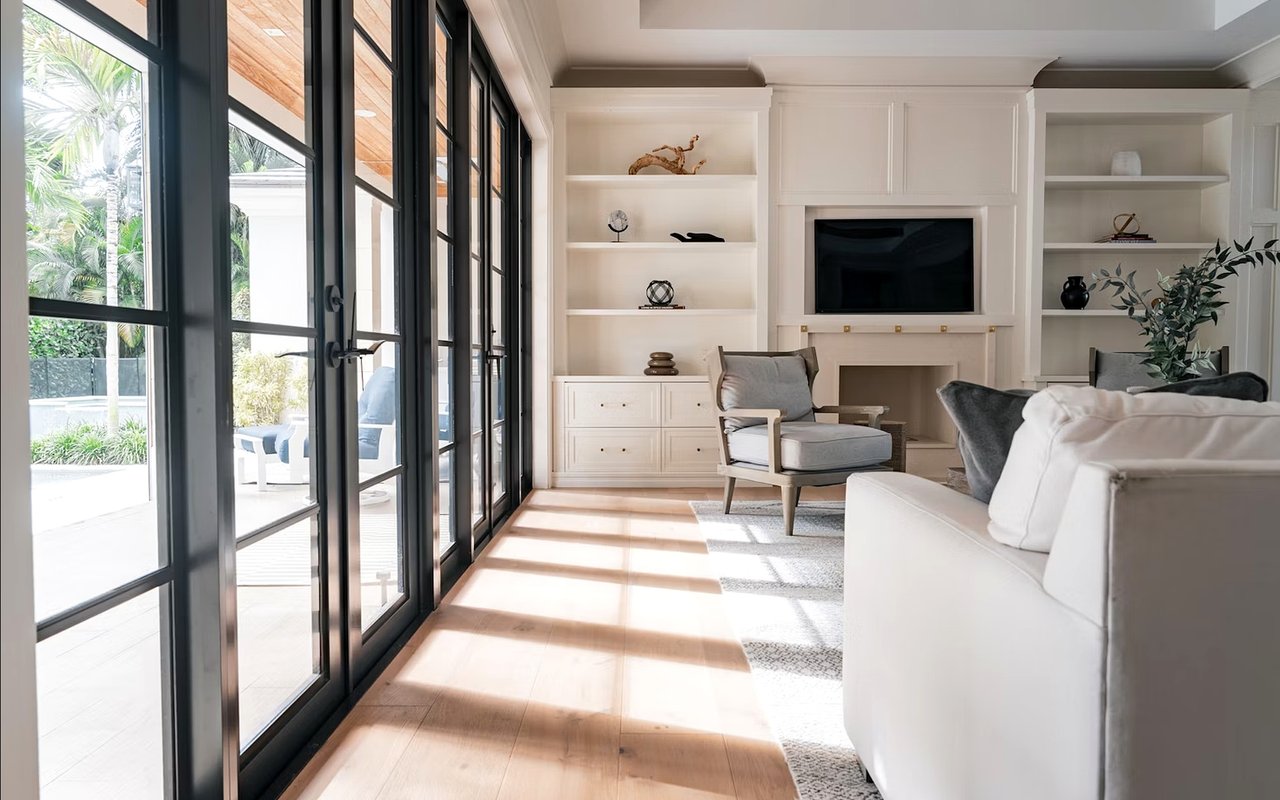
Riverside receives many sunny days, which is one of its most underutilized design assets. Before adding any artificial lighting, maximizing what the sun already provides is the smartest and least expensive move. The way a room is oriented, the size and placement of windows, and what is blocking or filtering that light all play into how bright and open a space feels throughout the day.
Window treatments are one of the most immediate levers available. Heavy drapes that block light can make a bright Riverside morning feel like a cloudy one. Swapping them for sheer linen panels, solar shades, or simple wood blinds that can be fully raised during the day allows natural light to do its job. In rooms with east-facing windows, morning light pours in and naturally warms the space without any bulbs turned on.
For rooms with limited natural light, mirrors can extend and reflect whatever daylight is available. A large mirror positioned to catch light from a nearby window effectively doubles the amount of illumination in a room. In Craftsman bungalows common in Riverside's historic neighborhoods, where rooms can sometimes feel enclosed, this trick makes a meaningful difference.
Window treatments are one of the most immediate levers available. Heavy drapes that block light can make a bright Riverside morning feel like a cloudy one. Swapping them for sheer linen panels, solar shades, or simple wood blinds that can be fully raised during the day allows natural light to do its job. In rooms with east-facing windows, morning light pours in and naturally warms the space without any bulbs turned on.
For rooms with limited natural light, mirrors can extend and reflect whatever daylight is available. A large mirror positioned to catch light from a nearby window effectively doubles the amount of illumination in a room. In Craftsman bungalows common in Riverside's historic neighborhoods, where rooms can sometimes feel enclosed, this trick makes a meaningful difference.
How to Maximize Natural Light
- Replace heavy window treatments with sheer or semi-sheer options that filter without blocking.
- Trim back landscaping or plants that are blocking window light from the exterior.
- Use light-reflective paint colors on walls and ceilings to help bounce daylight through the room.
- Place mirrors on walls adjacent to windows to extend the reach of natural light.
- Consider a solar tube or skylight in interior rooms or hallways that lack window access.
Using Accent Lighting to Showcase Your Home's Best Features
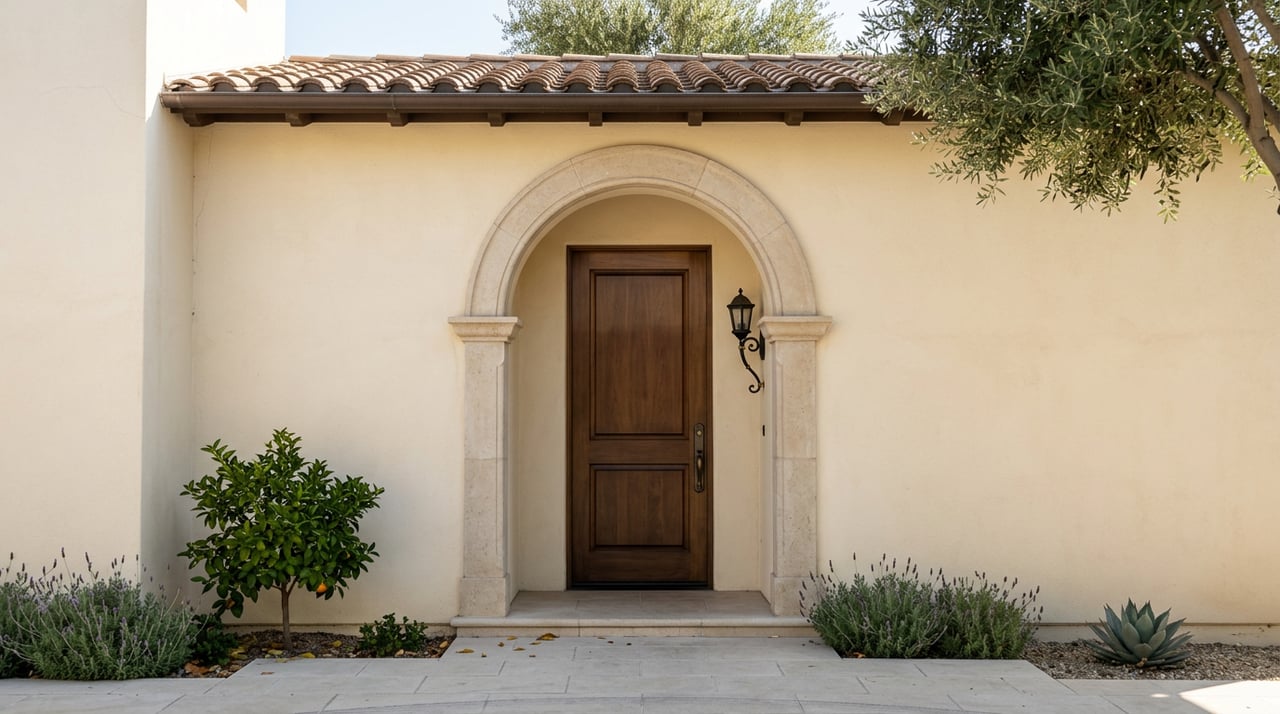
Riverside's architectural variety gives homeowners a lot to work with. Spanish Colonial Revival homes often feature decorative tile work, arched doorways, and exposed wooden beams. Craftsman homes have built-in shelving, detailed millwork, and front porches that deserve to be showcased. Modern builds frequently have clean lines and statement walls that benefit from directional light. Accent lighting is the tool that makes all of these details visible.
Accent lighting is intentionally directional and approximately three times brighter than ambient light in order to create visible contrast. Recessed adjustable fixtures, track lighting, and wall sconces are the most common sources. When aimed at a textured wall, a bookshelf, or an arched entry, they add depth and drama that flat overhead lighting simply cannot achieve.
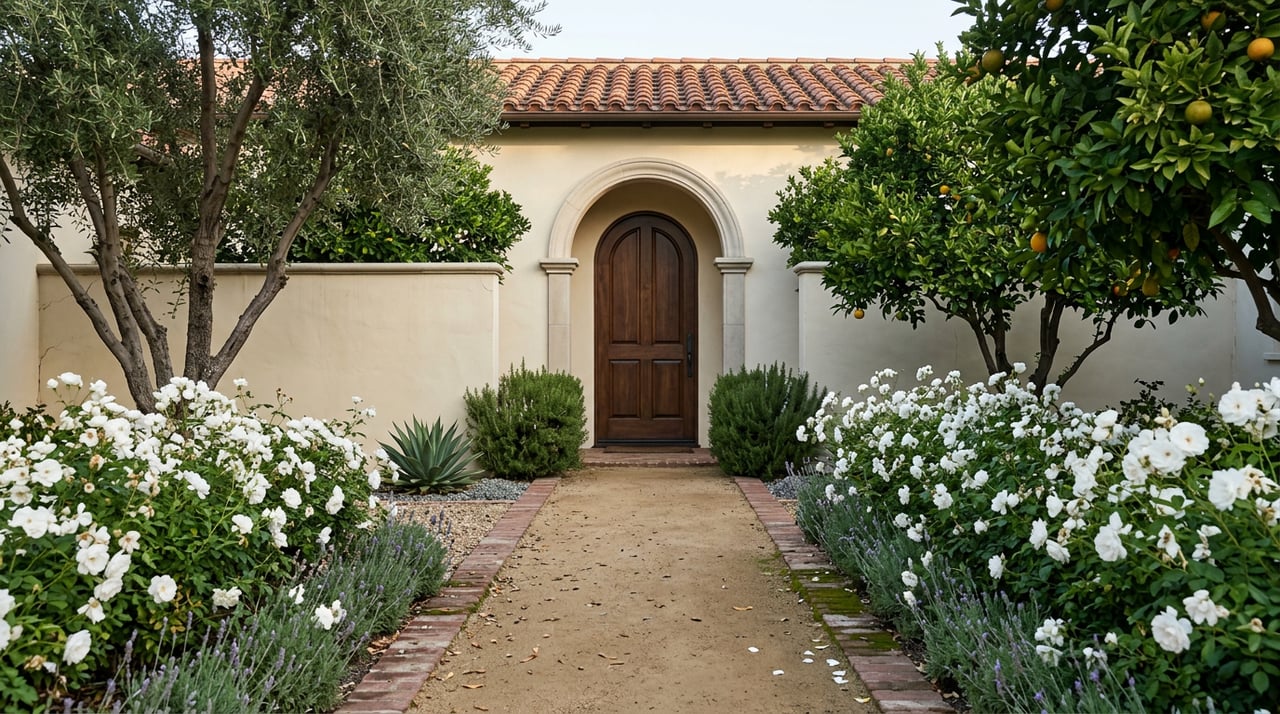
Exterior accent lighting carries the same logic. Uplighting on mature trees in the front yard, pathway lighting along a garden walk, or wash lighting across a facade all give a Riverside home visible curb presence after dark. For sellers preparing to list, adding exterior accent lighting is one of the highest-return moves available because it improves both in-person evening showings and twilight photography.
Accent lighting is intentionally directional and approximately three times brighter than ambient light in order to create visible contrast. Recessed adjustable fixtures, track lighting, and wall sconces are the most common sources. When aimed at a textured wall, a bookshelf, or an arched entry, they add depth and drama that flat overhead lighting simply cannot achieve.
Exterior accent lighting carries the same logic. Uplighting on mature trees in the front yard, pathway lighting along a garden walk, or wash lighting across a facade all give a Riverside home visible curb presence after dark. For sellers preparing to list, adding exterior accent lighting is one of the highest-return moves available because it improves both in-person evening showings and twilight photography.
Accent Lighting Ideas by Feature
- Uplighting beneath a statement tree or architectural column creates dramatic visual interest.
- Picture lights above framed artwork or photographs give them a finished, gallery-like presence.
- In-cabinet lighting inside glass-front kitchen cabinets highlights dishware and adds warmth.
- Cove lighting along a ceiling perimeter creates an indirect glow that makes ceilings feel taller.
- Strip lighting beneath a floating vanity or kitchen island adds a modern, elevated detail.
FAQs
What Kind of Lighting Makes a Small Room Feel Larger?
Vertical light, or light that draws the eye upward, makes rooms feel taller and more open. Wall sconces, cove lighting, and uplights all work this way. Avoiding a single heavy overhead fixture in a small room also helps, since it compresses the visual field rather than expanding it. Using recessed lights with wide beam angles instead of narrow spots will also prevent the "spotlight effect" that makes rooms feel cluttered with competing focal points.
Are Dimmer Switches Worth Installing?
Yes, consistently. Dimmer switches give you control over the tone of a room at any time of day and allow you to use the same fixtures for multiple purposes. A dining room that needs full brightness for a dinner party can shift to a lower, warmer setting for a quieter evening. Most standard fixtures are compatible with LED dimmers, though it is worth confirming compatibility before purchasing to avoid flickering issues.
What Lighting Works Best in Open Floor Plans?
Open floor plans benefit from lighting that defines zones rather than treating the entire space as one flat room. Using pendant lights over a kitchen island, a chandelier or ceiling fan in the dining area, and floor lamps or sconces in the living zone creates distinct pockets of light that give the space visual structure. Dimmer controls on each zone allow the spaces to feel connected or separate depending on how they are being used.
Let Your Home Shine Before It Hits the Market
Lighting is one of the most accessible and highest-impact upgrades available to Riverside homeowners, whether you are settling into a long-term space or preparing to sell.
When you are ready to talk about what buyers in Riverside are looking for and how your home can stand out, our team at the Brad Alewine Group is here to help. We know this market in detail, and we will guide you through every decision. Reach out to us today to get started.
When you are ready to talk about what buyers in Riverside are looking for and how your home can stand out, our team at the Brad Alewine Group is here to help. We know this market in detail, and we will guide you through every decision. Reach out to us today to get started.