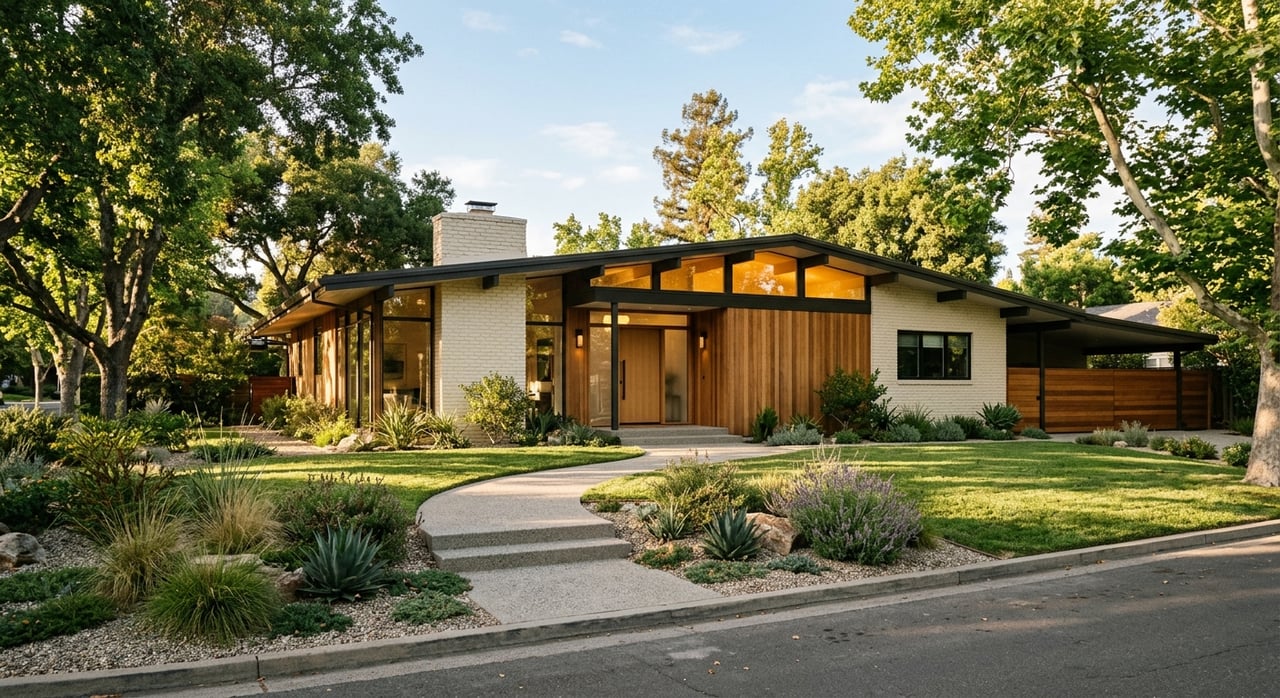
If you want an established Riverside neighborhood that feels close to everything without feeling overly urban, Victoria is worth a serious look. For many buyers, the challenge is finding a place with character, practical access, and a setting that still feels residential day to day. This guide will help you understand what Victoria offers, how it compares with nearby Riverside neighborhoods, and whether it fits the way you want to live. Let’s dive in.
What Victoria Feels Like
Victoria is one of Riverside’s official neighborhoods, and the city describes it as an early suburb with historic roots. Its development is tied in part to Matthew Gage and the old Arlington Heights subdivision, which helps explain why the area feels established rather than master planned.
You can also see that history in the layout. Unlike neighborhoods built around a strict grid, parts of Victoria follow the land’s natural contours, with homes set at varied elevations. That gives the area a more layered, organic feel as you move through it.
Why Victoria Avenue Matters
Victoria Avenue is the defining corridor in the neighborhood. The City of Riverside identifies it as a City Landmark, and it is also being considered for the National Register of Historic Places.
For everyday life, Victoria Avenue does more than add visual appeal. The city describes it as a tree-lined parkway with parallel bicycle and equestrian paths, and it is one of Riverside’s official off-street bike paths. That gives you a recreation feature and travel route that stands out in a city where many neighborhoods are more car-oriented.
Housing in Victoria Is Varied
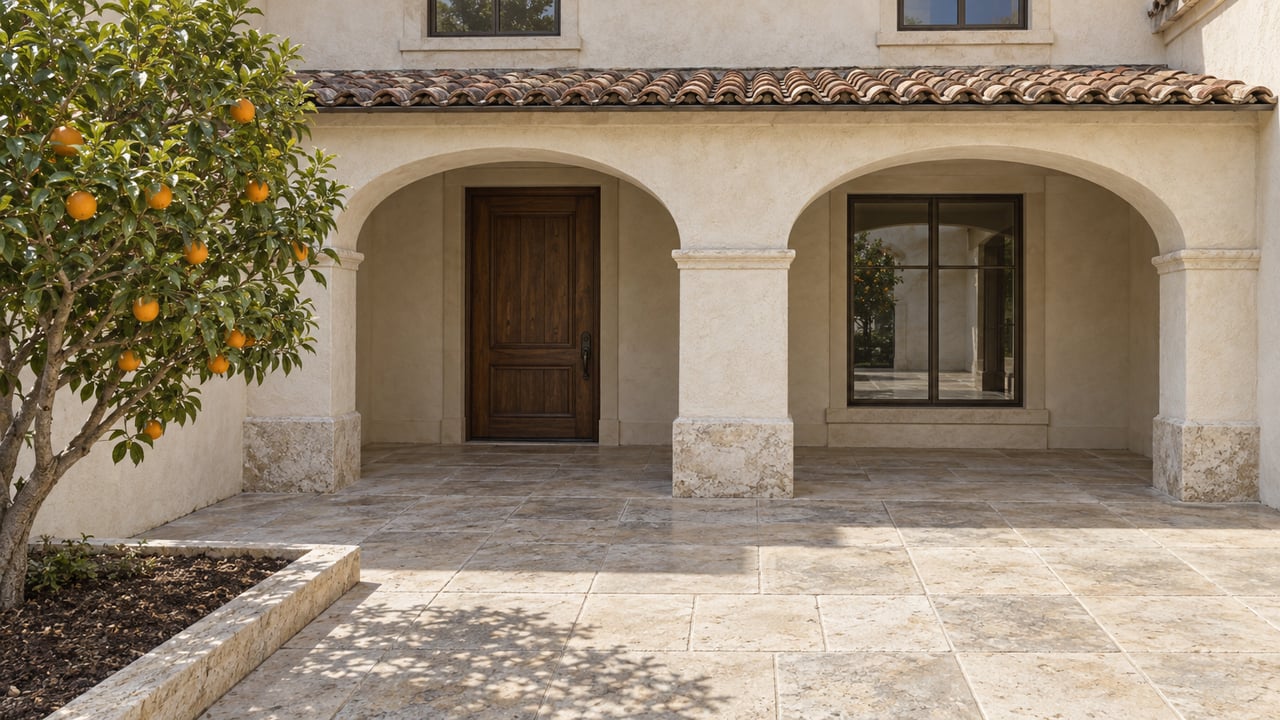
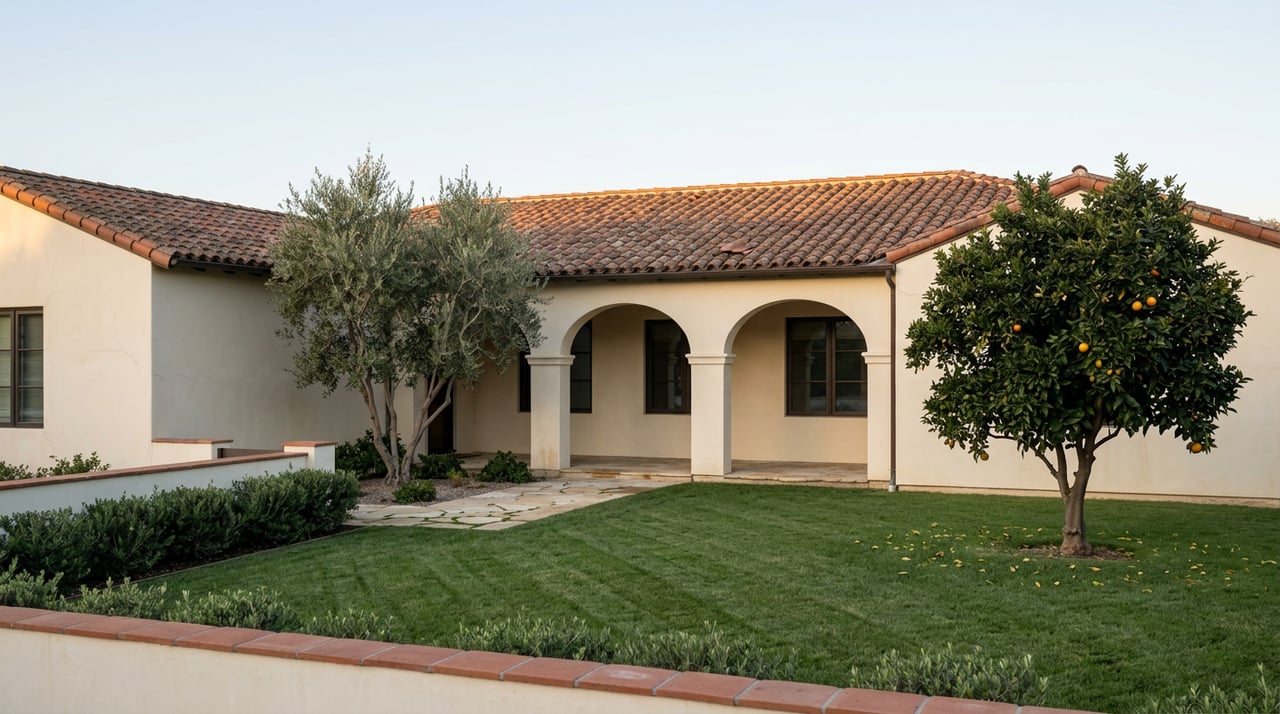
One of the biggest things to know about Victoria is that it is not a one-style neighborhood. Riverside’s General Plan describes a mix that includes planned residential developments with private recreation areas, larger custom homesites on the hills, well-preserved older developments, and 1950s-era subdivisions.
That mix can be a plus if you want choices. You may find homes with historic character, houses from the postwar era, and larger custom properties in the same broader neighborhood. If you prefer a more uniform look from block to block, Victoria may feel less consistent than some other established Riverside areas.
Victoria Woods Offers a Middle Ground
For many buyers, Victoria works because it sits between several different Riverside lifestyles. It is more established and historic in feel than newer convenience-driven areas, but it is not as secluded or estate-focused as some hillside neighborhoods.
That middle-ground identity is one of its strongest selling points. You get a residential setting with architectural variety, access to major parts of Riverside, and a sense of neighborhood history without being limited to one housing era or one lot style.
Access Without a Freeway-Front Feel
If your move involves commuting or frequent cross-town travel, location matters as much as the house itself. Victoria has long been tied to Downtown Riverside, and the city’s General Plan notes that the first bridge linking Victoria and Downtown dates back to 1891.
Today, that close-in position still matters. The neighborhood is near the broader freeway network around Downtown, and the General Plan also notes that low-scale commercial and industrial uses buffer Victoria from the 91 Freeway. For you, that can mean practical access nearby without the feel of living directly on a freeway edge.
Day-to-Day Setting and Neighborhood Character
Victoria is largely residential, but it is not a sealed-off subdivision. The city notes that the western edge includes commercial and office uses, and the neighborhood is also home to Olivewood Cemetery and the California School for the Deaf.
That matters because it shapes how the area functions. Instead of feeling isolated, Victoria has some edge-condition convenience and a stronger connection to surrounding parts of Riverside. At the same time, the city describes the area as unlikely to see major change during the planning period, which supports its reputation as a stable, established neighborhood.
Who Victoria May Fit Best
Victoria often makes the most sense for buyers who want older Riverside character without giving up convenience. If you are drawn to mature settings, varied architecture, and a neighborhood that feels residential but still connected to Downtown and the 91 corridor, this area deserves a close look.
It can also be a strong option if you are moving up from a more standard tract neighborhood and want more personality in the streetscape. Because the housing stock is mixed, buyers who appreciate nuance and are open to comparing different home styles may find more opportunity here.
When Another Riverside Neighborhood May Fit Better
Victoria is appealing, but it is not the right fit for everyone. Riverside has several nearby neighborhoods with more specific identities, and comparing them can help clarify your priorities.
Victoria vs. Wood Streets
If you want a more cohesive early-twentieth-century neighborhood, Wood Streets may be the stronger match. The city describes Wood Streets as having a rigid grid, narrow streets, mature landscaping, and homes built mostly before World War Two.
Compared with Victoria, Wood Streets is more uniform in architectural feel. Victoria offers more era variety and a less tightly consistent neighborhood pattern.
Victoria vs. Hawarden Hills
If your priority is larger lots and a more hillside-driven setting, Hawarden Hills may stand out. The city describes it as primarily single-family, with mid-sized and estate lots and much of its development dating from 1970 to 1990.
Victoria, by comparison, feels more mixed and more historic-suburban. Hawarden Hills tends to read as more terrain-shaped and more estate-oriented.
Victoria vs. Canyon Crest
If you want newer subdivision design and stronger retail convenience, Canyon Crest may be a better fit. The city describes Canyon Crest as one of Riverside’s largest and most diverse neighborhoods, with modern subdivision patterns and a town centre that anchors shopping and dining.
Victoria tends to appeal more to buyers who value character and established neighborhood texture. Canyon Crest usually wins if newer product and easy retail access are at the top of your list.
Victoria vs. Alessandro Heights
If privacy, views, and a secluded large-lot setting matter most, Alessandro Heights may deserve more attention. The city describes it as strictly low-density, with large-lot estate homes and development that dates largely to the 1980s.
Victoria gives you more centrality and more housing-era variety. Alessandro Heights gives up some of that convenience in exchange for a more tucked-away hillside feel.
Victoria vs. Downtown Riverside
If you want the most urban experience, Downtown Riverside is the obvious comparison. The city describes Downtown as the Inland Empire’s cultural and urban hub, with a compact grid, historic landmarks, and a dense mix of shops, restaurants, museums, and civic institutions.
Victoria sits close to that energy without fully sharing it. You may prefer Victoria if you want separation from the urban core while still staying connected to it.
Questions to Ask Before You Move to Victoria
Before you focus on any one listing, it helps to think about how you want your neighborhood to work for you. In Victoria, these questions are especially useful:
- Do you want a neighborhood with mixed home styles and eras?
- Is access to Downtown Riverside important to you?
- Would you use Victoria Avenue’s bike and equestrian paths?
- Do you prefer a residential setting that still connects easily to nearby commercial areas?
- Are you comfortable with a neighborhood that feels less uniform than Wood Streets or less secluded than Alessandro Heights?
Your answers can help you narrow whether Victoria is the right long-term fit or whether another Riverside neighborhood better matches your goals.
Why Local Guidance Matters in Victoria
Because Victoria is not a cookie-cutter neighborhood, buying here often requires more than a quick online search. Street pattern, elevation, housing era, and lot setting can all affect how one pocket feels compared with another.
That is where neighborhood fluency matters. In an area with older homes, 1950s subdivisions, custom hillside properties, and landmark corridors, understanding the context behind a home can help you make a more confident decision.
If you are weighing Victoria against other established Riverside neighborhoods, the right guidance can help you compare not just price, but also setting, character, and long-term fit. When you are ready to explore Victoria Woods or other Riverside neighborhoods, connect with the Brad Alewine Group for informed local guidance.
FAQs
Is Victoria in Riverside a historic neighborhood?
- Yes. The City of Riverside describes Victoria as an early suburb with historic roots, and Victoria Avenue is identified as a City Landmark.
What types of homes are found in Victoria Riverside?
- Victoria includes a mix of well-preserved older developments, 1950s-era subdivisions, planned residential pockets, and larger custom homesites on the hills.
Is Victoria Woods close to Downtown Riverside?
- Yes. Victoria has long been tied to Downtown Riverside, and the area is generally considered a close-in residential neighborhood with practical access to the downtown core.
How does Victoria compare with Wood Streets in Riverside?
- Victoria is generally more varied in housing style and neighborhood layout, while Wood Streets is more cohesive and uniform in its early-twentieth-century character.
Is Victoria a good fit if you want freeway access in Riverside?
- Victoria can be appealing if access matters to you, since it is near key Riverside routes and the neighborhood is buffered from the 91 Freeway by low-scale commercial and industrial uses.
What makes Victoria Avenue unique in Riverside?
- Victoria Avenue stands out as a landmark tree-lined parkway with parallel bicycle and equestrian paths, which gives the neighborhood a distinctive recreation and circulation feature.