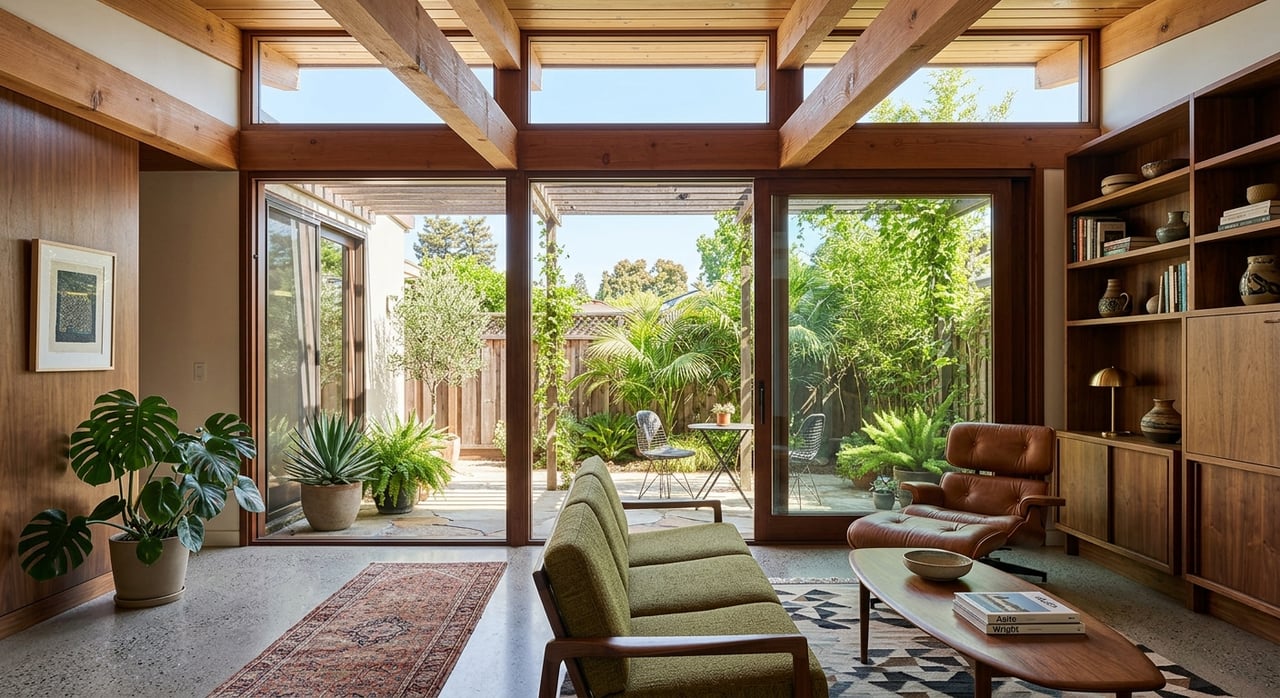
Wondering how to modernize a mid-century home in Victoria Woods without sanding away the very details that make it special? You are not alone. In one of Riverside’s older, more established areas, updates tend to feel bigger than a simple remodel because they shape how a home fits into its neighborhood for years to come. The good news is that you can improve comfort, function, and presentation while still respecting the original design. Let’s dive in.
Why Respect Matters in Victoria Woods
Victoria is one of Riverside’s older neighborhoods, and the city describes it as a place shaped in part by Matthew Gage, with streets that follow the natural contours of the land and a high homeownership rate. Victoria Avenue is also a City Landmark. That context matters because homes here are often seen as part of a larger neighborhood story, not just as isolated properties.
For a mid-century home, that means your renovation choices are more than cosmetic. In Victoria Woods, a thoughtful update can preserve the home’s identity while still making daily life easier, more comfortable, and more appealing to future buyers.
Start With the Home’s Original Logic
Riverside’s Modernism Context Statement describes many mid-century residential homes as simple, geometric, and strongly tied to indoor-outdoor living. Common features include post-and-beam construction, flat or low-pitched roofs, large single-pane wood windows or steel-framed windows, and patios or decks that extend the living space.
In practical terms, this means the home’s character often lives in a few big ideas rather than in ornament. The roofline, the window rhythm, and the connection to the yard usually matter more than decorative finishes.
Protect the Roofline and Massing
Low horizontal roof forms and post-and-beam structure are often defining features in Riverside mid-century homes. If you change those elements too aggressively, the house can lose the visual balance that made it appealing in the first place.
When you plan updates, try to keep the original proportions clear. A respectful renovation usually works with the home’s existing shape instead of covering it up or forcing a different style onto it.
Keep Window Openings Intact
Large windows, clerestories, and broad openings do a lot of the architectural work in a mid-century house. They bring in daylight, frame the yard, and help create the indoor-outdoor rhythm that defines the style.
If a window needs attention, repair may be worth exploring before full replacement. When replacement is necessary, matching the original look and keeping the opening size consistent is usually less disruptive than changing the window type or shrinking the glass area.
Save Original Materials When Possible
Riverside’s modernist context includes materials like brick and stone as both primary and accent elements. The city’s design guidance also encourages owners to reuse original architectural materials and details when they are removed during additions or exterior work.
That can apply to doors, windows, trim, decorative blocks, or other original components. Even small retained details can help the home keep its authentic feel.
Focus on Updates That Improve Daily Living
The best mid-century renovations in Victoria Woods are usually not total transformations. They are careful upgrades that make the house more functional and comfortable while keeping the original composition visible.
This approach also lines up with current buyer preferences. Recent remodeling data shows that buyers are less willing to compromise on condition than they once were, which makes smart, well-executed improvements especially important.
Refresh Curb Appeal Without Adding Clutter
Simple exterior improvements can make a strong impression. Remodeling data cited in the research report notes that many real estate professionals recommend curb appeal improvements before listing, and visible exterior projects like a new front door or updated windows can show solid cost recovery.
For a mid-century home, the lesson is not to add extra ornament. Instead, keep the facade clean, horizontal, and in proportion. A front door, exterior paint choice, or landscape cleanup should support the architecture, not compete with it.
Update Kitchens With Restraint
Kitchen renovations can help both livability and resale, but mid-century homes usually benefit from a lighter hand. A full remodel that ignores the home’s lines can feel disconnected from the rest of the house.
In many cases, a more respectful update works better. Think about improving function, storage, surfaces, and lighting while keeping the space visually simple and aligned with the home’s original geometry.
Modernize Baths Thoughtfully
Bathrooms are another place where condition matters, but style drift can happen quickly. Overbuilt finishes or overly trendy choices can feel out of place in a home that was designed around clean forms and straightforward materials.
A better path is often to improve comfort, durability, and appearance without losing visual simplicity. Clean lines and balanced proportions tend to age better and fit the architecture more naturally.
Improve Comfort and Performance
Mid-century homes often have extensive glazing, which can be one of their best features and one of their biggest maintenance concerns. The research report notes that weatherizing historic windows and doors can improve comfort while helping preserve original features.
Riverside’s local design criteria also note that the city is in Climate Zone 10 and has very heavy termite exposure. That makes regular attention to wood beams, fascia, patio structures, and window frames especially important when you plan maintenance or renovation work.
Add Space Carefully
Sometimes a house truly needs more room. If that is the case, Riverside’s historic district guidance points toward additions that are placed toward the rear, remain subordinate in scale and massing, use similar finish materials, and follow compatible fenestration patterns.
That same preservation-minded approach also applies to many ADU decisions on historic or potentially historic properties. New work should avoid overpowering the original home, especially on the primary facade.
What Respectful Additions Usually Share
A design-sensitive addition often includes:
- Rear placement rather than a dominant front-facing expansion
- A scale that remains secondary to the original house
- Window patterns that feel compatible with the home
- Finish materials that relate to the existing structure
- Careful treatment of original windows, doors, and details
- Mechanical equipment placed so it is visually unobtrusive
When more space is needed, the goal is usually compatibility, not imitation and not contrast for its own sake.
Know When to Call the City Early
Before you start work, it is wise to confirm what level of review your project may need. The City of Riverside says permits are required for most projects that enlarge, alter, repair, move, demolish, or change a structure.
The city also notes that room additions are typically part of the plan-check process and may require drawings prepared by a qualified draftsperson or architect. If your project goes beyond simple repair, early planning can save time and prevent costly surprises.
Historic Review Can Apply Even if You Are Unsure
Riverside’s historic preservation program states that Certificates of Appropriateness are reviewed for work involving rehabilitation, alteration, demolition, relocation, or change to a designated or eligible cultural resource, as well as structures within a historic district or neighborhood conservation area.
The city also says that if a property is designated or eligible, all exterior alterations, additions, and repairs require a Certificate of Appropriateness application, even when the work would not otherwise require a building permit.
If the Home Is Over 50 Years Old
The city says that if a property is not listed, it may simply not have been reviewed yet for historic significance. If the home is more than 50 years old, owners should contact Planning to confirm status.
That is an important step for many mid-century homes. Age alone does not determine significance, but eligibility can trigger extra review even if the property is not in a formally designated district.
Build the Right Team for the Project
Some updates are straightforward. Others affect the very features that define the home, such as structure, rooflines, window proportions, exterior materials, or a proposed addition.
That is usually the point to bring in a preservation-minded architect, designer, or contractor. For Victoria Woods homeowners, the safest approach is often to pair good design judgment with early city review so the home can evolve without losing its architectural logic.
Why This Approach Helps Long-Term Value
A carefully updated mid-century home often stands out for the right reasons. Buyers tend to respond to homes that feel well cared for, functional, and true to themselves.
In a neighborhood like Victoria Woods, that balance matters. Respecting the original design while improving condition, comfort, and presentation can make a home easier to enjoy now and easier to position well later.
If you are thinking about updating, preparing, buying, or selling a distinctive home in Riverside, the Brad Alewine Group brings a local, design-aware perspective shaped by years of experience in neighborhoods like Victoria Woods.
FAQs
What should you preserve first in a Victoria Woods mid-century home?
- Start with the defining features: the roofline, massing, window openings, indoor-outdoor connection, and original materials or details that shape the home’s architectural identity.
Do mid-century home renovations in Riverside usually need permits?
- Yes, the City of Riverside says permits are required for most projects that enlarge, alter, repair, move, demolish, or change a structure.
When does a Riverside home need historic review before exterior work?
- If the property is designated or eligible as a cultural resource, Riverside says exterior alterations, additions, and repairs require a Certificate of Appropriateness application, even if a building permit is not otherwise required.
Should you replace original mid-century windows in Victoria Woods?
- Not automatically. The research report supports evaluating repair and weatherization first, and if replacement is necessary, keeping the original look and opening proportions is usually the more respectful choice.
How should you design an addition for a mid-century home in Riverside?
- Riverside’s guidance favors additions that are placed toward the rear, remain subordinate in size and massing, use compatible window patterns and materials, and preserve original elements where possible.
Why do design-sensitive updates matter when selling a Victoria Woods home?
- Because buyers often respond to condition, curb appeal, and authenticity, and in an established Riverside neighborhood, thoughtful improvements can strengthen presentation without erasing the home’s original character.