Looking for a neighborhood with real character, not just a convenient address? Downtown Riverside’s Historic Core offers something that can feel rare in Southern California: a walkable urban center shaped by history, architecture, culture, and daily activity. If you are wondering what it is actually like to live there, this guide will help you picture the pace, the setting, and the practical tradeoffs. Let’s dive in.
Downtown Riverside has a distinct feel
Downtown Riverside is the city’s compact historic and civic center, and that shape matters in everyday life. The street grid dates back to 1870, before the automobile era, which helps explain why the area still feels more connected and easier to navigate on foot than many newer Southern California districts.
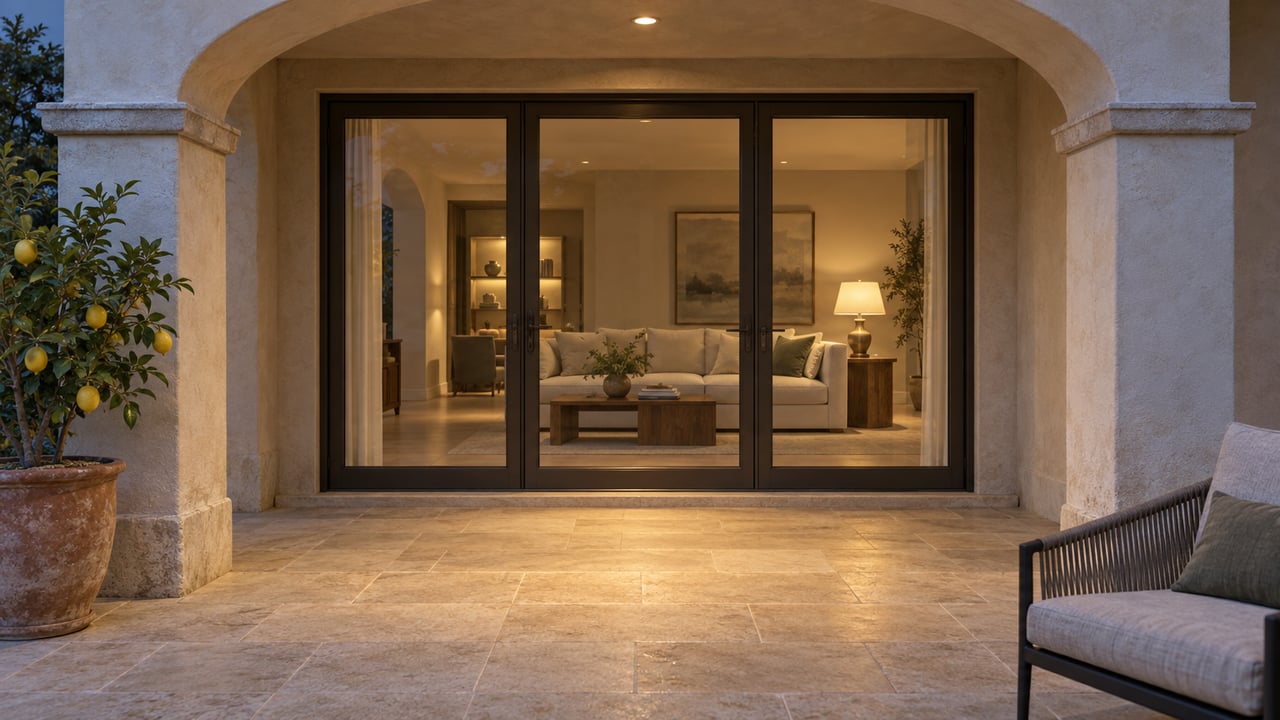
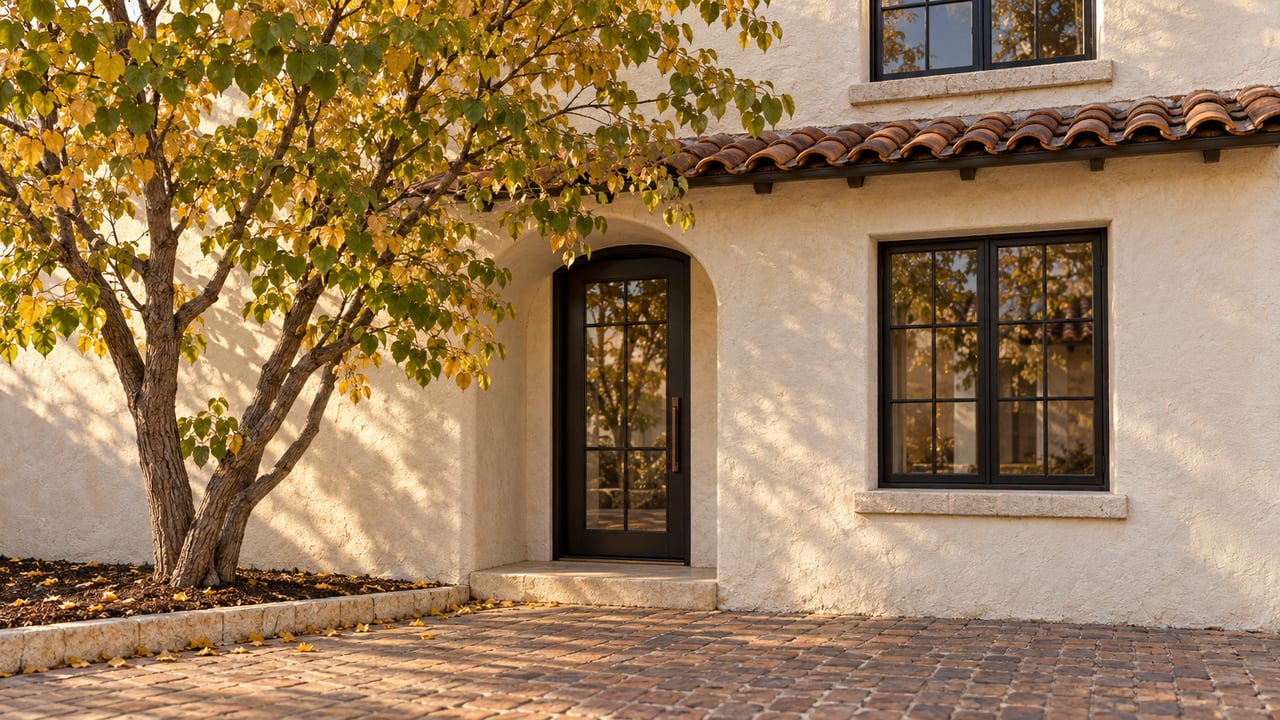
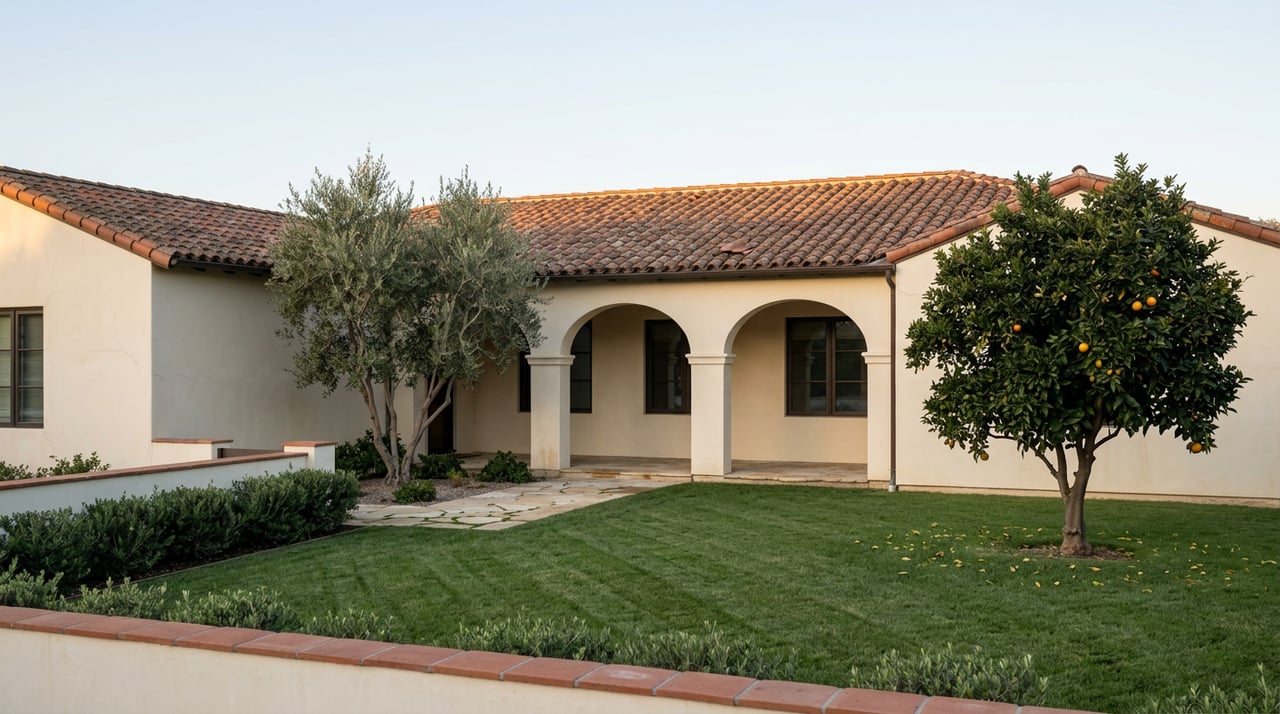
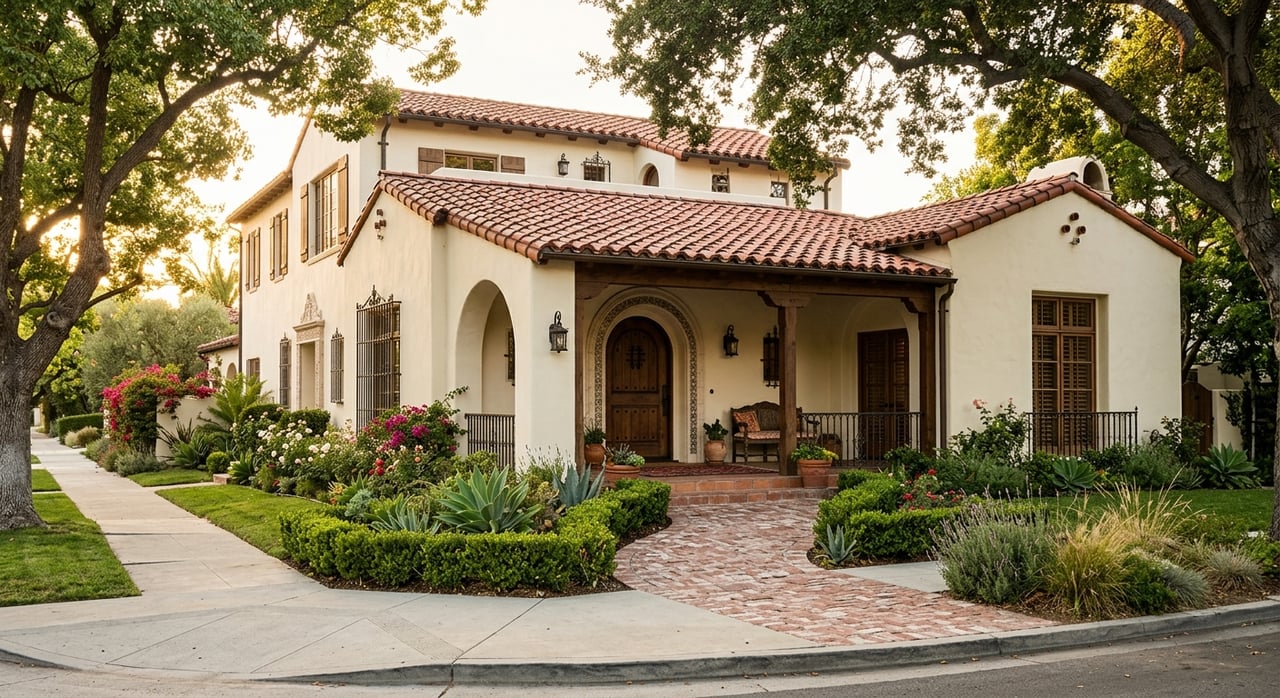
You can also see the area’s history in the architecture around you. City materials note more than a dozen National Register sites and more than thirty city-designated landmarks, with styles that include Spanish Colonial Revival, Mission Revival, California Bungalow, Beaux Arts, and modern architecture. That mix gives the Historic Core a layered look that feels established rather than uniform.
For buyers who care about neighborhood identity, that architectural variety is a big part of the appeal. It creates a sense of place that stands out from more generic commercial districts and helps downtown feel like a true urban neighborhood with its own visual story.
Walkability shapes daily life
One of the biggest lifestyle advantages here is how much you can do without getting in the car. The city describes downtown as walkable because of its original grid and the Main Street pedestrian mall, which includes trees, arbors, benches, fountains, and sculptures.
That design changes the rhythm of the day. Instead of driving from one errand to the next, you may find yourself walking to coffee, dinner, a cultural stop, or a downtown event in the same outing. For many residents, that convenience is a major reason the area feels livelier and more connected than lower-density neighborhoods.
Downtown is also home to many civic and cultural destinations in a relatively small area. City Hall, the Main Library, the Museum of Riverside, Riverside City College, the Convention Center, courts, Mission Inn Museum, Riverside Art Museum, and UCR ARTS are all part of the downtown environment.
The Historic Core is active day and night
The Downtown Specific Plan describes the Raincross District, centered on Mission Inn Avenue and Main Street, as Riverside’s cultural, historic, and social center. It is intended to support commercial, residential, visitor-serving, and entertainment uses with activity during both daytime and evening hours.
That means living here often feels different from living in a purely residential neighborhood. You are in a setting where restaurants, events, public spaces, and cultural venues contribute to a steady pulse throughout the week. If you enjoy an environment with visible activity and movement, that can be a real plus.
If you prefer quiet streets and minimal public activity, it is worth understanding this before you buy. The Historic Core functions like an urban center, not a low-density suburban enclave, and that shapes everything from parking to foot traffic to seasonal events.
Architecture is part of the experience
In Downtown Riverside, architecture is not just background scenery. It is part of how the neighborhood feels and how people experience it. The city’s walking tour materials highlight a broad range of historic and civic building styles that give the area texture and depth.
This is one reason the Historic Core often appeals to buyers who want more than square footage alone. If you enjoy older districts, preserved landmarks, and the visual interest that comes from buildings designed in different eras, downtown offers a setting with real personality.
That design awareness also extends into nearby historic pockets. The Mission Inn Historic District includes landmarks such as the Mission Inn, Riverside County Courthouse, First Congregational Church, and Fox Theatre, while Heritage Square includes one- and two-story homes, duplexes, courtyard apartments, and some newer infill.
Housing nearby has variety
The Historic Core itself is best understood as part of a broader downtown setting rather than a single housing type. Nearby residential areas include historic districts with single-family homes, duplexes, courtyard apartments, and infill development, which gives buyers a mix of options depending on lifestyle and budget.
Heritage Square, just north of the downtown core, is especially notable for its architectural range. City materials describe Victorian, Eastlake, Mission Revival, and Craftsman influences there, along with a mix of property types.
That variety can be helpful if you want downtown access but also want to compare different residential settings nearby. Some buyers may prefer being in the center of activity, while others may want to live close to downtown and enjoy the Historic Core as part of their regular routine.
Dining and culture are built in
For many residents, one of the strongest reasons to live in Downtown Riverside is the concentration of dining and cultural destinations. Visit Riverside points to a range of spots in and around the core, from destination dining to casual options and late-night choices.
The food scene is not centered on one style or one type of venue. The area includes well-known restaurants, bars, and the Riverside Food Lab, which Metrolink describes as the Inland Empire’s first official food hall with diverse artisanal eateries and bars.
That concentration can make everyday life more flexible. You may be able to meet friends for dinner, pick up something casual, or try a new place without planning a long drive across town.
Arts programming keeps downtown engaged
Downtown’s Arts & Culture District adds another layer to the neighborhood experience. City arts materials describe it as a hub for artistic expression, cultural heritage, and community engagement, with major anchors that include the Fox Performing Arts Center, Riverside Municipal Auditorium, The Cheech, galleries, theaters, studios, murals, and monuments.
This is not just a district you visit once in a while. It is a part of day-to-day life for residents who enjoy being near exhibits, performances, public art, and recurring community events.
One of the clearest examples is Artswalk, held on the first Thursday of each month from 6 p.m. to 9 p.m. With more than 20 venues and over 120 artisan vendors on Main Street, it helps explain why downtown often feels active after work and on weekends.
Events create a strong seasonal rhythm
Living in the Historic Core also means living near some of Riverside’s most visible recurring events. The biggest example is the Mission Inn Hotel & Spa Festival of Lights, which the city describes as a holiday-season tradition in Downtown Riverside’s Arts and Culture District.
The current city page says the Mission Inn is decorated with as many as 3.5 million holiday lights and hundreds of animated figures, along with seasonal features such as ice skating, entertainment, carriage rides, and holiday vendors. That kind of event presence creates a strong seasonal identity for downtown.
For some residents, that energy is part of the appeal. For others, it is simply important to know that downtown has an event calendar that can shape traffic, activity, and the overall feel of the neighborhood during certain times of year.
Practical errands are close at hand
A downtown lifestyle works best when it is not only interesting but practical. In Riverside, the concentration of civic buildings, library access, arts institutions, and weekly market activity helps support that.
The Riverside Downtown Farmers Market operates Saturdays from 8 a.m. to 1 p.m. on Main Street between 5th and 6th. That adds a useful weekly routine for residents who like local shopping built into their neighborhood experience.
The Mission Inn Museum Foundation also supports daily downtown tours and monthly public events. Together, those offerings reinforce the idea that the Historic Core is not just visually interesting. It has regular programming and public life built into it.
Transit can support a car-light routine
If you commute or want alternatives to driving, Downtown Riverside has meaningful transit access. The Riverside-Downtown Metrolink station serves the 91/Perris Valley, Inland Empire-Orange County, and Riverside lines.
The station also connects to RTA buses and commuter services. RTA route information shows downtown service on routes 29, 200, and 204, among others.
That does not mean every resident will live car-free, but it does provide options. For buyers who value rail access or want the ability to use transit for some trips, this is one of downtown’s practical advantages.
Parking is part of the tradeoff
With walkability and activity comes a more managed parking environment. The city says downtown parking during normal business hours is controlled by time limits and paid curbside meters, lots, and garages.
The current parking program also includes short-term free parking and a 24/7 residential, business, and employee permit option. That structure can work well, but it is different from the open-ended parking patterns many buyers are used to in lower-density neighborhoods.
This is one of the clearest tradeoffs of downtown living. If you want an urban setting with shops, culture, and events close by, managed parking is part of the package.
Outdoor access is closer than you might expect
A pleasant surprise for many buyers is how close downtown is to outdoor recreation. Mount Rubidoux sits just west of downtown and gives residents quick access to a well-known local destination for walking and hiking.
The city says Mount Rubidoux covers 161 acres and includes 3.5 miles of paved roads plus several dirt hiking trails. It is open from dawn until dusk, and parking is available at Ryan Bonaminio Park next to the mountain.
That access can add balance to an urban lifestyle. You can enjoy downtown’s density and activity while still having a straightforward option for fresh air, movement, and city views nearby.
Who tends to love living here
Downtown Riverside’s Historic Core tends to appeal most to buyers who want architectural character, walkability, cultural programming, and a neighborhood with a strong sense of place. It can be especially attractive if you enjoy older districts, public events, local dining, and the ability to move through daily life with more spontaneity.
It may also be a fit if you value being near civic destinations, arts venues, and transit. Compared with more suburban parts of Riverside, downtown offers a different lifestyle, one shaped less by lot size and more by access, activity, and historic context.
If you are deciding whether it fits your goals, the key is to be honest about your daily habits. Buyers who want convenience, character, and urban energy often find a lot to like here.
What to keep in mind as a buyer
When you explore Downtown Riverside, pay attention to more than the home itself. Notice how close you are to Main Street, cultural venues, transit, parking options, and recurring event areas.
It also helps to think block by block. In a historic urban setting, small location differences can influence noise levels, walkability, convenience, and the feel of daily life.
That is where local perspective matters. In a neighborhood as layered as downtown, understanding the architecture, the street pattern, and the rhythm of the district can help you find the right fit, not just the right address.
If you are considering Downtown Riverside’s Historic Core or nearby historic neighborhoods, the Brad Alewine Group can help you evaluate the lifestyle, property character, and location details that matter most.
FAQs
What is Downtown Riverside’s Historic Core like for everyday living?
- It offers a compact, walkable setting with historic architecture, civic destinations, dining, arts venues, and recurring events all within a relatively small area.
Is Downtown Riverside walkable compared with other Inland Empire areas?
- Yes. City materials emphasize its original 1870 street grid and Main Street pedestrian mall as key reasons the area remains unusually walkable for the region.
What kinds of architecture are found in Downtown Riverside?
- The area includes Spanish Colonial Revival, Mission Revival, California Bungalow, Beaux Arts, and modern architecture, along with many landmarks and historic sites.
Are there homes near Downtown Riverside’s Historic Core?
- Yes. Nearby historic residential pockets include areas with single-family homes, duplexes, courtyard apartments, and some newer infill, especially around Heritage Square.
What cultural attractions are near Downtown Riverside residents?
- Major downtown anchors include the Fox Performing Arts Center, Riverside Municipal Auditorium, The Cheech, Riverside Art Museum, UCR ARTS, and other galleries, murals, and event venues.
What should buyers know about parking in Downtown Riverside?
- Downtown parking is actively managed with time limits, paid curbside meters, lots, and garages, plus short-term free parking and permit options for residential, business, and employee use.
Does Downtown Riverside have public transit access?
- Yes. The Riverside-Downtown Metrolink station serves several rail lines and connects to RTA bus routes that serve downtown.
Is there outdoor recreation close to Downtown Riverside?
- Yes. Mount Rubidoux is just west of downtown and offers 161 acres, 3.5 miles of paved roads, several dirt trails, and access from dawn until dusk.